The Masindi Chief Magistrates’ Court yesterday sentenced four poachers to custodial terms of seven years and three years, respectively, for illegal entry, hunting, and unlawful possession of wildlife products in Murchison Falls National Park.
His Worship Kosia Kasibayo convicted and sentenced Oyirwoth Albert and Odw oka Albert to seven years’ imprisonment after they pleaded guilty to three counts of unlawful entry into a protected area, hunting, and unlawful possession of wildlife species and their products.
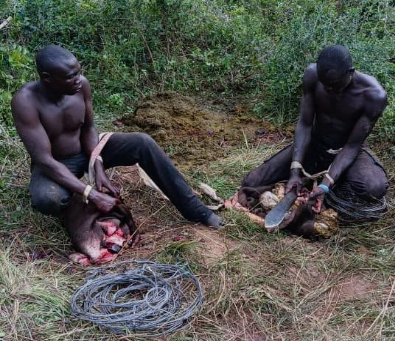
The dual was arrested on 19 October 2025 by UWA rangers from the Delta Marine Post in Kafundo area within Murchison Falls National Park, as they transported buffalo meat in two canoes. Upon their arrest, they voluntarily guided rangers to a place where five buffalo heads and additional meat were recovered.
In a related case, Oromcan Patrick and Ochendi Richard were convicted for illegal entry into Murchison Falls National Park and killing of a bushbuck upon their own guilty plea and sentenced to three years in jail.They were Arrested by rangers on 20 September 2025 from Kololo Ranger Post within Murchison Falls National Park. Delivering the sentence, His Worship Kasibayo noted that poaching remains prevalent and poses a serious threat to conservation and Uganda’s tourism-driven economy.
She emphasized that the sentence is intended to deter similar actions and preserve the integrity of Uganda’s national parks. State Prosecutor Shisa Alex told court that poaching undermines Uganda’s conservation gains, deprives communities of tourism benefits, and robs future generations of wildlife heritage. The defence counsel, Ajok Harriet, appealed for leniency towards the accused on grounds of youthfulness and potential for reform Uganda Wildlife Authority applauds the court’s ruling and commends all those involved in securing the convictions. These sentences send a clear message that wildlife crime will not be tolerated. Illegal wildlife trade threatens animal populations and undermines conservation gains. We have strengthened surveillance, intelligence gathering, and law enforcement, and we urge the public to support efforts to protect wildlife and desist from illegal activities against nature.
Uganda Wildlife Authority remains committed to working with the justice system, security agencies, communities, and partners to eliminate poaching and safeguard Uganda’s biodiversity for present and future generations.
The Uganda Wildlife Authority (UWA) and Freeland have entered into a Memorandum of Understanding (MOU) aimed at strengthening wildlife protection efforts. This agreement will enhance cooperation in wildlife conservation, capacity building, and cross-border initiatives. Key activities under the MOU include training for rangers and staff, supporting joint investigations, and fostering international networking.
The MOU also proposes the creation of an exchange program that will allow UWA personnel to work with regional and international task forces, as well as host conservation experts from partner regions to promote shared learning and knowledge exchange.
During the signing event, UWA Executive Director Dr. James Musinguzi emphasized the importance of the partnership, noting that wildlife trafficking is a global challenge and expressing satisfaction that Uganda is not working in isolation.
“We appreciate Freeland’s support in training and knowledge sharing, which are vital for capacity building. Enabling staff to gain experience and recognize their skills is essential,” he said.
Steven Galster, Founder and Chairman of Freeland, described the organization as a global team committed to helping governments build capacity for task forces, encouraging cross-border cooperation, and developing solutions to human–wildlife conflicts.
This agreement highlights the strengthened dedication of both UWA and Freeland to wildlife protection, cross-border collaboration, and global efforts to eliminate wildlife trafficking and environmental crimes.
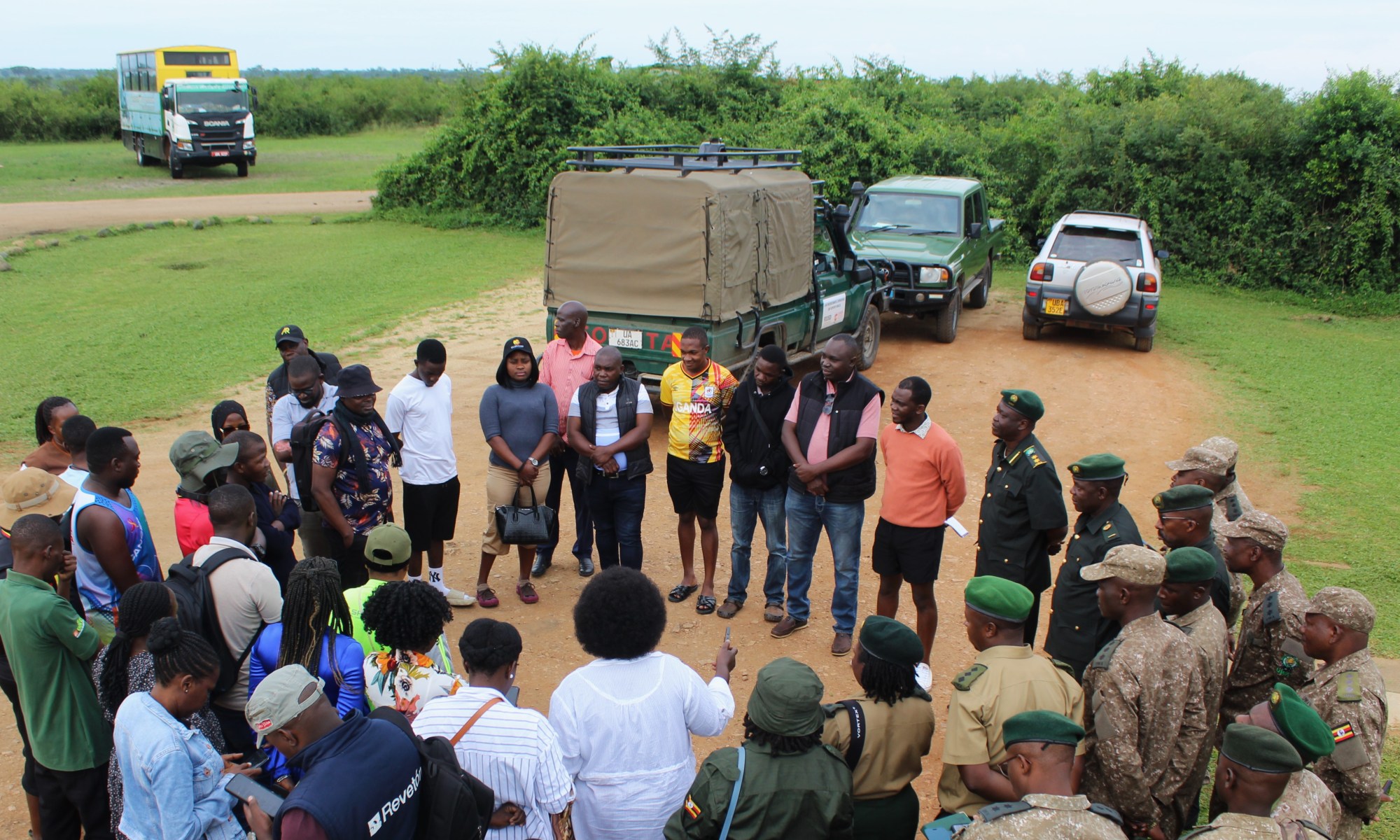
Over the weekend, the Uganda Parliamentary Press Association (UPPA) was hosted by the Uganda Wildlife Authority (UWA) at the Queen Elizabeth Conservation Area for a three-day educational tour.
The group of journalists, representing both print and electronic media, were introduced to UWA’s comprehensive conservation strategy, which includes habitat protection, wildlife monitoring, mitigating human–wildlife conflicts, and fostering community partnerships.
During the tour, UWA showcased its efforts to ensure wildlife protection and promote coexistence with local communities. These efforts include; installing electric fences around vulnerable areas to prevent wildlife intrusion and enhance community safety, employing and deploying community wildlife scouts, conducting conservation education campaigns to raise awareness among communities, schools, and local stakeholders about living harmoniously with wildlife, and using digital tools such as the Earth Ranger system and satellite collars to monitor wildlife throughout the conservation area.
Journalists shown an electric fence in Queen Elizabeth National Park
The collaboration between UPPA and UWA supports the Authority’s mission to work with partners in conserving and managing the country’s protected areas.
The engagement also helps foster a positive and well-informed portrayal of conservation in the media, leading to more accurate and credible reporting on wildlife, sustainable tourism, and development.
“All these buildings you see are funded by UWA revenue,” said Denis Mahangi, the officer in charge of Buliisa Health Centre III, as he began our interview by expressing gratitude to the Uganda Wildlife Authority (UWA) for its revenue-sharing program benefiting communities near National Parks and other protected areas.
Muhangi made the statement during a field visit to the Murchison Falls Conservation Area by Uganda Wildlife Honorary Officers, who were assessing conservation projects and the well-being of people living near the park’s borders.
Executive Committee of the Honorary Wildlife Officers pose for a photo with Staff of the Bugana Health Centre III
Twenty years ago, UWA launched the Revenue Sharing project targeting communities vulnerable to human-wildlife conflicts. Since then, the program has provided financial support to communities around all Uganda’s protected areas.
The funds, distributed as conditional grants, are channeled through district local governments down to the parish level. This process follows the Uganda Wildlife Act cap 315, which requires that 20% of park entry fees be given to neighboring communities as conditional grants. The goal is to promote community development, encourage conservation support, and reduce conflicts between humans and wildlife.
Buliisa district, which borders Murchison Falls National Park, faces significant challenges from human-wildlife conflicts that threaten both people and animals. As a beneficiary of the revenue-sharing scheme, one notable investment in the district is the Bugana Health Centre III in Buliisa sub-county.
According to Mahangi, the health center serves over 1,000 patients monthly. Although it primarily functions as an outpatient facility—with maternity services being the exception—they sometimes have to admit other patients in the maternity wards due to a lack of alternative health centers nearby.
“Admitting other patients into the maternity ward isn’t ideal, but we often have no choice. You can’t turn away a patient who clearly needs care. Even what we have is courtesy of UWA and we thank them sincerely. We hope in the future, they will provide more funds to help build additional facilities, including staff housing,” Mahangi added.
Fred Lukumi, the Buliisa district chairperson, explained that although revenue sharing funds come with restrictions, through dialogue they have been able to redirect some funds intended for livelihood projects toward capital projects that benefit more people. They found that infrastructure like schools and health centers benefits everyone and is easier to monitor compared to livelihood initiatives.
Lukumi emphasized, “As long as the fund’s objectives are met, there should be flexibility in how the budget is allocated, we have done that and we have been successful, everyone can see what revenue sharing funds are doing.”
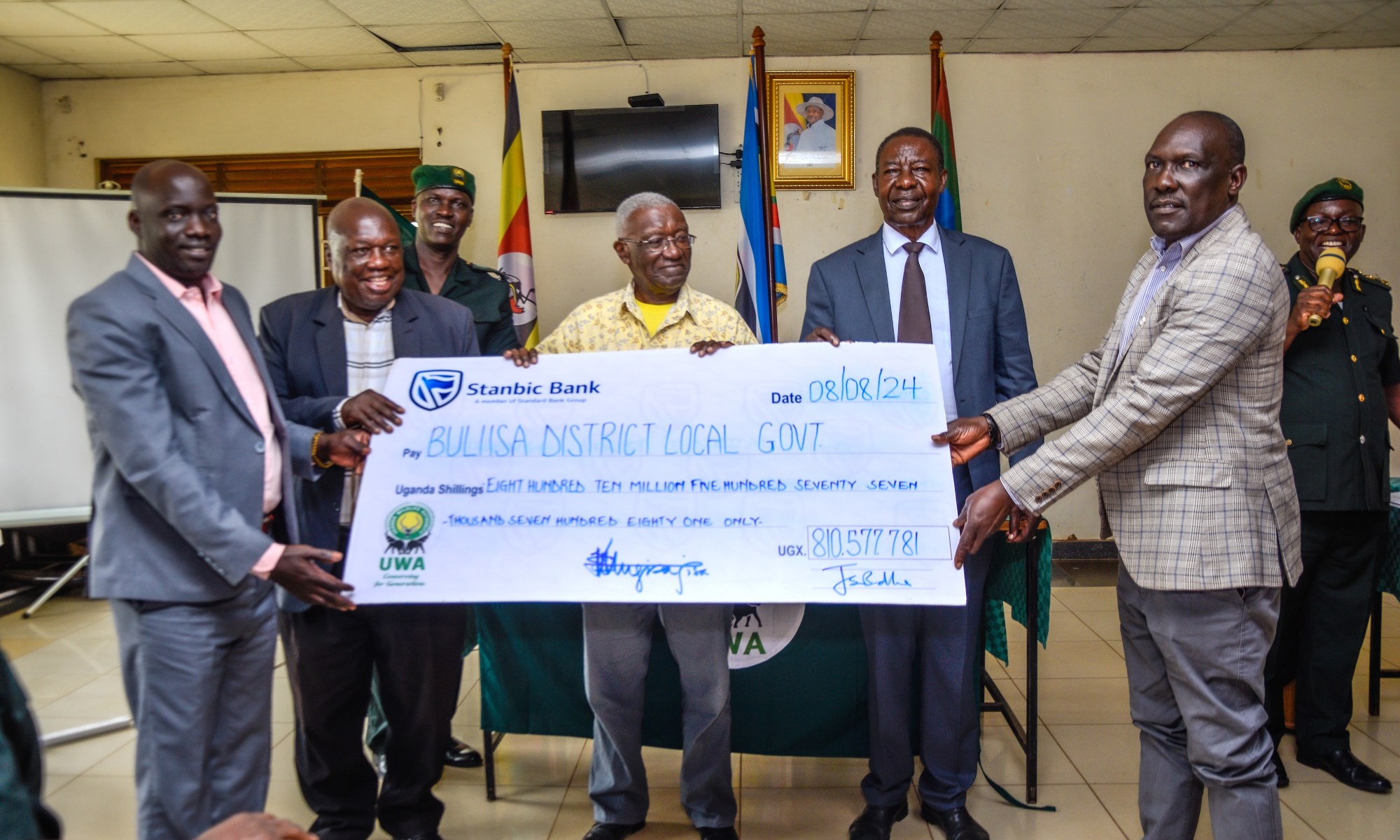
In the 2024/2025 financial year, the Uganda Wildlife Authority distributed a total of UGX 10,214,142,122 (ten billion, two hundred fourteen million, one hundred forty-two thousand, one hundred twenty-two shillings) in revenue-sharing funds to district local governments surrounding Murchison Falls National Park, Queen Elizabeth Conservation Area, Kibale National Park, Mgahinga Gorilla National Park, and Bwindi Impenetrable National Park.
Minister Tom Butime and Some Members of UWA Board Handing over a cheque to Nwoya District Local Leaders
Districts around the Murchison Falls Protected Area received UGX 3.15 billion, those neighboring Queen Elizabeth National Park (QENP) and Rwenzori Mountains National Park received UGX 1.54 billion while districts adjacent to Kibale National Park received UGX 1.19 billion. Kisoro district received UGX 111,089,938 from Mgahinga National Park, and UGX 2.019 billion was given to Bwindi Impenetrable National Park (BINP).
Throughout the year, a total of 172 Revenue Sharing projects were monitored across various Protected Areas (PAs) to evaluate their implementation status and adherence to revenue sharing guidelines.
A review of revenue sharing implementation during the last quarter of the previous financial year revealed strong performance and completion rates across community projects. A total of 42 projects were reviewed, comprising 5 Human-Wildlife Conflict (HWC) mitigation projects, 8 livelihood enhancement initiatives, 14 school-related interventions, and 15 community development projects. Monitoring results indicated that 99% of the projects were fully completed, while 1% remained in progress. This reflects UWA’s commitment to ensuring that revenue sharing funds directly benefit communities neighboring protected areas through practical and sustainable interventions.
Bugana Health Centre III Maternity Ward
UWA Executive Director Dr. James Musinguzi stated that the Authority remains dedicated to supporting communities around the parks, not only through the revenue sharing program but also via other community conservation efforts. These include Conservation Awareness Campaigns that engage the public and local communities to keep them informed about important developments in wildlife conservation, improving community livelihoods through resource access, and direct support activities for selected community members under various livelihood programs, often implemented in partnership with other stakeholders and corporate social responsibility.