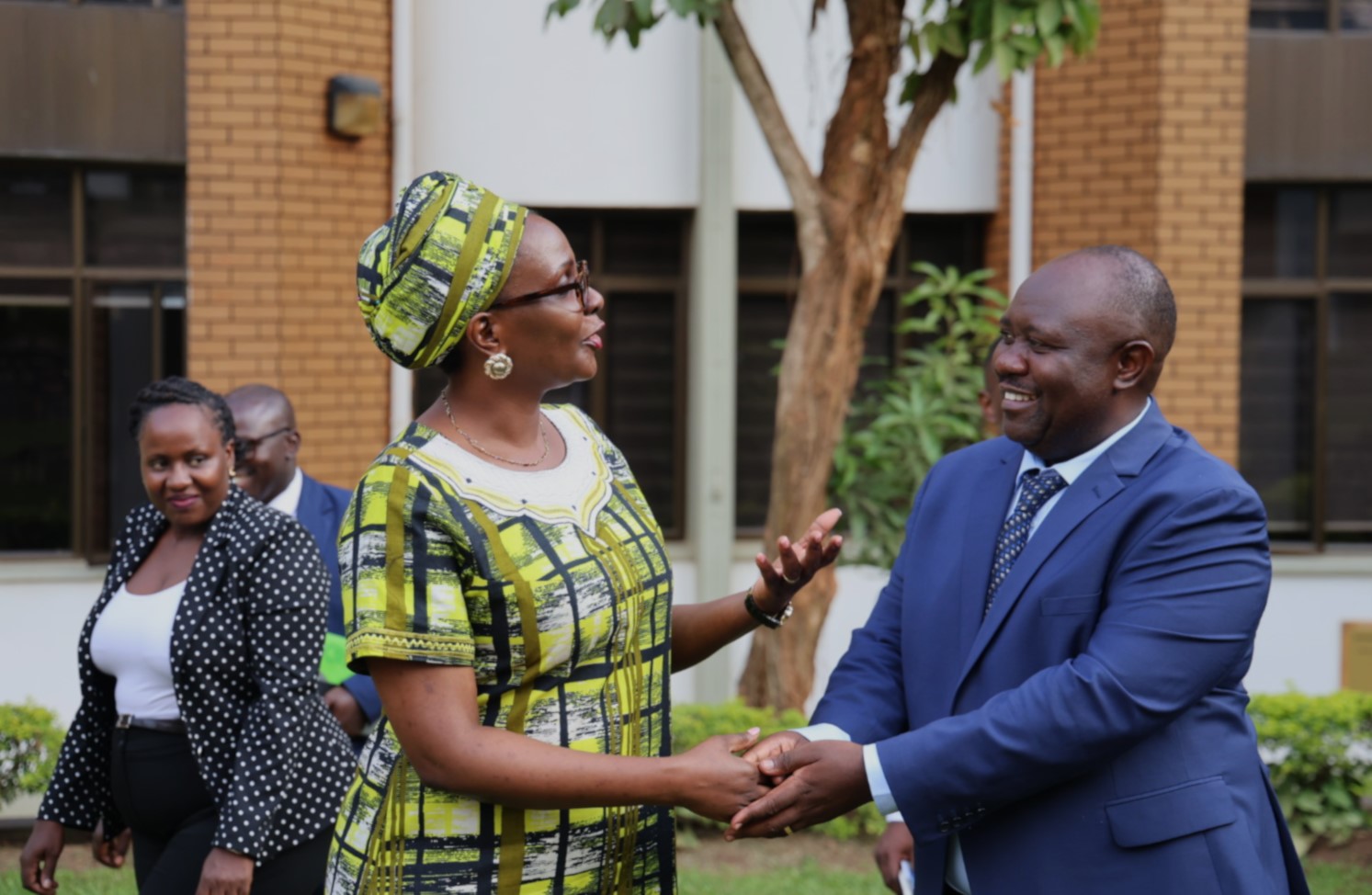
The Deputy Inspector General of Government (DIGG) urges government agencies to adopt an open-door policy instead of making their offices personal domains. Ms. Anne Twinomugisha Muhairwe made these remarks during her official visit to Uganda Wildlife Authority (UWA), where she was received by UWA Executive Director Dr. James Musinguzi and UWA Human Resource Commissioner Susan Muhumuza Nyatia.
During her visit, Twinomugisha met with staff across various UWA departments and emphasized that a positive work environment that enables employees to fulfill their duties effectively ultimately benefits the public. She also encouraged teamwork and support for leadership, noting that this approach benefits leaders, staff, the institution, and the nation as a whole.
Mr. Kakooza Savio Ntensibe, Director of the Directorate of Ombudsman Affairs and part of the Inspector General’s delegation, highlighted UWA’s role in upholding the rule of law and good governance by enforcing the Uganda Wildlife Act Cap. 315, which combats wildlife crimes.
Dr. Musinguzi shared some of UWA’s accomplishments, such as the successful reintroduction of rhinos into the wild, now numbering 61, species recovery efforts, resolving encroachment and boundary disputes, managing human-wildlife conflicts, community benefit programs, enterprise development, and expanding eco-tourism offerings.
He expressed gratitude to the Inspectorate for extending its services to UWA and welcomed the Ombudsman’s new approach to dispute resolution and engagement with public institutions.
This meeting reinforced the shared commitment of both organizations to promoting good governance, accountability, efficient service delivery, and access to administrative justice.
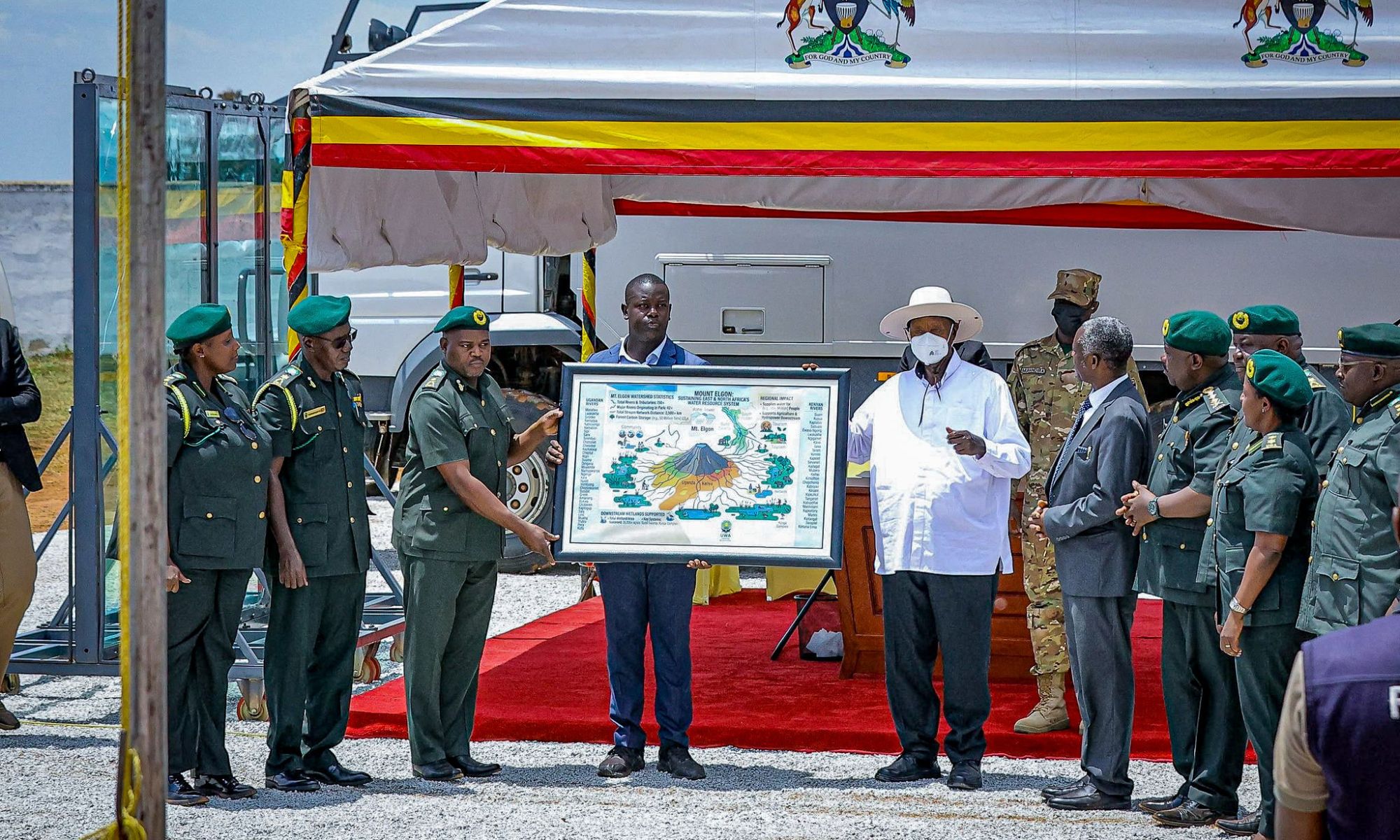
President Yoweri Kaguta Museveni has emphasized once again the importance of preserving the country’s natural resources, highlighting that these are the foundation of the tourism industry.
He made these remarks during the 2026 World Tourism Day celebrations held in Mbale city, stating that tourism cannot thrive if the essential resources that sustain it are damaged.
“Our forests, wetlands, rivers, mountains and national parks are therefore not obstacles to development. They are national economic assets. Government has taken firm measures to protect our forests, wetlands, national parks and wildlife. – The increasing wildlife populations in several protected areas, the regeneration of forests and restoration of wetlands demonstrate that conservation and economic development can reinforce each other when properly managed,” he explained.
Museveni added that for many years, one of the constraints to tourism development was accessibility and government has taken it up to invest heavily in roads, airports, energy, water, telecommunications and other infrastructure that is opening up all parts of the country.
He noted; The development of infrastructure is not only about making it easier for tourists to travel. It is about opening economic opportunities for Ugandans. The improvement of utilities and communication infrastructure is consequently creating the conditions for investment in tourism across the country.
Recent sector results indicate that In 2025, Uganda recorded 1.64 million international tourist arrivals, while tourism receipts increased to approximately US$1.62 billion, or about UGX 5.83 trillion. Tourism directly supports more than 876,000 jobs and has become a significant contributor to Uganda’s service exports. These are not merely tourism statistics. They are jobs for Ugandans, foreign exchange for our economy, markets for our businesses and resources for national development.
In line with the this year’s theme; “Digital Agenda and Artificial Intelligence to Redesign Tourism,” President Museveni advised on the use of Artificial Intelligence in destination marketing, visitor information, product development, customer engagement, conservation management and understanding visitor behaviour.
He congratulated the Ministry of Tourism Wildlife and Antiquities and Uganda Wildlife Authority plus the people of Mbale for establishing the regional wildlife centre in Mbale city the Mbale Wildlife Education Centre (MWEC). He said the MWEC is an important investment that brings wildlife education and appreciation closer to people who may otherwise have to travel long distances to experience Uganda’s wildlife.
During his visit to MWEC, where he experienced animals in their semi-natural habitats, Museveni emphasized the importance of using traditional names for animals and urged UWA to lead efforts in restoring degraded ecosystems, particularly forest reserves.
The Minister of Tourism Wildlife and Antiquities Hon. Col. Tom Butime, revealed to the president that the interventions in promoting tourism are yielding exceptional market rewards and the country has also transcended post-pandemic recovery and entered a paradigm of unprecedented growth.
He said; Uganda was officially declared Ebola-free on 28 July 2026, with no further transmission detected. We commend Your Excellency’s leadership and the health workers, security agencies, local governments, communities and development partners who worked tirelessly to protect our people and our economy.
Uganda Wildlife Authority received the Best Sustainable Tourism Initiative Award at the 2026 Uganda Tourism Excellence Awards.
The Minister of State for Tourism, Wildlife and Antiquities, Hon. Susan Nakawuki Nsambu, has urged the leadership of Uganda Wildlife Authority (UWA) to remain steadfast and decisive in fulfilling their wildlife conservation and enforcement duties. She emphasized that leaders should not fear criticism when making decisions that align with their responsibilities.
Minister Nakawuki made these remarks while passing out UWA senior managers, including the Executive Director Dr. James Musinguzi, after they completed a two-week transformative leadership development program at the National Leadership Institute in Kyankwanzi.
She highlighted that as long as decisions are legally supported, the Authority should confidently enforce the Uganda Wildlife Act Cap 315. She also assured the officers of ongoing support from policymakers and encouraged them to enhance service delivery and offer tourists a top-quality experience in Uganda.
Lilly Ajarova, Senior Presidential Advisor on Tourism and the guest speaker, urged UWA leaders to turn the knowledge gained into action by developing proposals that attract opportunities and resources for transformative projects. She stressed that true transformation must start with the leaders themselves.
Ajarova also challenged UWA to promote stronger coexistence between humans and wildlife and to ensure that communities near protected areas benefit more directly from conservation efforts, shifting from being mere beneficiaries to becoming economic partners in conservation.
Col. Okey Rukogota, Director of the National Leadership Institute (NALI), stated that the two-week training provided UWA senior officers with political education, ideological guidance, and military skills to enhance their role in Uganda’s socio-economic development. He applauded the participants’ dedication, enthusiasm, and patriotism, which enabled them to complete both intellectual and physical challenges. He urged the graduates to apply what they learned, emphasizing that transformation requires action, not just ideas. “Big words and ideas alone will not transform our country. Action guided by ideology is what matters,” he said.
Dr. James Musingui receives his certificate from HOn. Minister Nakawuki, Right: Col. Okey Rukogota
UWA Executive Director Dr. James Musinguzi said the training has inspired UWA leaders to adopt new strategies for wildlife conservation and management. He added that the Authority is now more committed to collaborating with communities and tackling issues like human-wildlife conflict and poaching.
“We will prioritize placing communities at the heart of conservation and advancing what Senior Presidential Advisor on Tourism Lilly Ajarova called moving from conservation to ‘conservation for prosperity’ by creating opportunities for communities,” he stated.
Dr. Musinguzi also announced that another group of UWA staff is scheduled to begin similar training on October 18, 2026. Additionally, NALI staff will support ideological, transformational leadership, and human rights training at the UWA training school in Lugaya, Murchison Falls National Park.
As Uganda we mark Zero Emissions Day that falls every September 21st, Uganda Wildlife Authority (UWA) has continued to strengthen efforts to reduce greenhouse-gas emissions through forest restoration, community conservation, climate-smart livelihoods and sustainable tourism.
The initiatives implemented in partnership with FACE the Future Project and the Investing in Forests and Protected Areas for Climate-Smart Development (IFPA-CD) Project, supported by World Bank, have addressed climate change issues in the Protected areas where the projects are running.
FACE the Future partners during one of the carbon measuring exercises
According to Richard Kapere, UWA Assistant Commissioner Conservation Planning, the authority is contributing to reducing Uganda’s carbon footprint through restoration of degraded areas, a case in point is the FACE the Future Project on restoration project in Kibale National Park and Mount Elgon where planting and maintaining indigenous trees is happening and the IFPA-CD project that supports the improvement of management of protected areas and supporting local communities.
The IFPA-CD Project is complementing these efforts by supporting communities around eleven protected areas to adopt sustainable livelihood and energy practices. Edgar Buhanga, an IFPA-CD Project Officer and consultant, said communities are being trained in climate-smart practices, including the construction and use of energy-saving stoves, which consume less firewood and reduce pressure on forests, installation of water tanks and other support that contribute to conservation.
Fore front : An improved cooking stove , Background: Water tank
The FACE project restoration efforts have covered approximately 7,250 hectares in Kibale and 3,000 hectares in Mount Elgon over the years. Kapere said healthy forests are important natural carbon sinks because they absorb and store carbon, while restoration also improves the ecological health of protected areas.
From Left: Richard Kigenyi, Richard Kapere and others during the recent Carbon auditing exercise in Kibale National Park
Kigenyi Richard, Senior Forestry Officer at UWA, said in Kibale, the FACE project has greatly contributed to checking the effects of global warming by strengthening protection of forests and wetland corridors through encouraging communities to support the project and also planting trees on their private land.
“Through agroforestry, communities can benefit economically from trees while contributing to carbon absorption and environmental protection – UWA is also encouraging communities to avoid unsustainable agricultural practices and activities that degrade natural resources. People need to understand that conservation can provide economic and environmental benefits rather than simply restricting access to natural resources,” Kigenyi said.
As the world marks Zero Emissions Day, these initiatives demonstrate UWA’s contribution towards reducing greenhouse-gas emissions and building a climate resilience ecosystem.
The Minister of Tourism, Wildlife and Antiquities, Hon. Tom R. Butime, has urged senior officers of Uganda Wildlife Authority (UWA) to continue fostering patriotism and intensify their efforts in supporting the country’s ten-point program, which focuses on rebuilding Uganda’s political and socio-economic status following years of civil war and political instability.
He made these remarks during the official opening of the two weeks Transformative and Leadership Development Training for UWA management at the National Leadership Institute (NALI) in Kyankwanzi.
The minister emphasized that to effectively address current challenges, UWA officers need to evolve beyond the role of Chief Wardens to become individuals who fully embrace the government’s goals and objectives. He highlighted the importance of the training, which covers topics such as ideology and Pan-Africanism, socio-economic transformation, wealth creation strategies, strategic planning, ethics, and communication. These subjects are particularly relevant to the tourism and wildlife sector given the increasing and evolving conservation challenges.
With the conservation environment rapidly changing due to factors like population growth and the expanding demand for land for agriculture, housing, urbanization, and industrial development, protected wildlife areas are under growing pressure. This situation calls for innovative, tailored approaches to tackle emerging issues such as human-wildlife conflict, sophisticated wildlife poaching, and illegal trade and trafficking.
Minister Tom Butime
The minister noted, “While we plan, criminals are also strategizing. Wildlife crime networks are leveraging technology to broaden their operations, advertise, and sell wildlife species and products globally on the black market. Therefore, technical and scientific training, along with adaptive mentorship and leadership development programs like this one, are essential to fully understand our challenges, influence mindsets, and find solutions.”
He assured the government’s continued support for wildlife conservation, noting that the president has been a leading advocate in this area. Since 1986, more than six national parks have been established, including Kibale, Semuliki, Bwindi Impenetrable, Rwenzori Mountains, Mgahinga Gorilla, and Lake Mburo/Mount Elgon National Parks. Additionally, three more conservation areas—Echuya and Bugoma National Parks and Katonga plus Bukaleba Wildlife Reserve—are in development.
The minister also credited strong national policies, laws, regulations, and institutions, as well as trained and committed rangers, effective community conservation frameworks, benefit-sharing arrangements like resource access and revenue sharing, economic integration through wildlife-based tourism, technological innovations and data integration (such as Earth Ranger and camera traps), and the availability of donors and partners as key factors supporting conservation efforts.
Future Prospects of the Tourism Sector
The tourism sector is projected to contribute $50 billion, representing 10% of the government’s target of a $500 billion economy by 2040 under the national Tenfold Growth Strategy and the Fourth National Development Plan 2025/2031.
The current Sector Earnings rose UGX 5.83 trillion (approximately US$1.62 billion) according to the recent annual performance report (2025). International arrivals hit 1.64 million in 2025, with average visitor stays increasing to 8.8 nights and average spending reaching $986 per trip. The sector currently contributes around 6% to the country’s Gross Domestic Product (GDP). The sector employs over 876,000 jobs across hospitality, transport, and conservation. In order to achieve the envisaged contribution, the is need to address the following;
Address poaching and strengthen wildlife protection initiatives.
Hungry and angry communities cannot support wildlife conservation, therefore communities need to understand and appreciate the value of conservation in order to reduce the magnitude of human wildlife conflict.
Targeted funding to support harnessing of existing opportunities, develop diversify new tourism products including infrastructure. Government will be required to funda little more funds in order to develop products and harness the sector’s full economic potential. Attainment of long-term prospects will largely depend on targeted investment in the sector with a view to harnessing opportunities and contributing to national economic development.
By the end of the training, the officers in attendance led by the Executive Director Dr. James Musinguzi will have acquired enhanced knowledge and skills in governance, command and control, decision-making, and other essential adaptive leadership abilities.
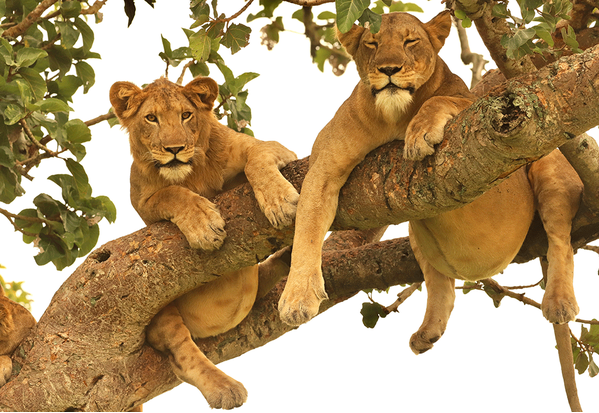
Uganda Wildlife Authority (UWA) and the Wildlife Conservation Society (WCS) have officially launched the Ishasha Collaborative Management Partnership, aimed at strengthening conservation, restoring the lion population and improving the management of the Ishasha sector in Queen Elizabeth Protected Area.
The partnership brings together UWA and WCS in a long-term collaborative approach that will focus on strengthening protected area management, building staff capacity, enhancing wildlife protection, improving community engagement and supporting the recovery of the area’s iconic tree-climbing lions.
Members of the committee
During the inauguration of the Ishasha Collaborative Management Programme Committee, which includes three members from UWA and three from WCS, Mr. John Makombo, Commissioner Conservation and Biodiversity Management, representing UWA Executive Director Dr. James Musimnguzi, emphasized the significance of this partnership in restoring the lion population and enhancing the management of the Ishasha sector. The Committee will offer strategic guidance for the programme and ensure its goals are successfully achieved.
Mr. John Makombo
He noted that lions play a critical role in maintaining the balance of the ecosystem and emphasized that the partnership will go beyond lion conservation to address the wider Ishasha transboundary ecosystem. He underscored the importance of strengthening security in Ishasha, promoting peaceful coexistence between communities and wildlife, diversifying tourism opportunities and building the capacity of UWA staff.
The WCS Regional Director, Michael Masozera, reaffirmed WCS’s commitment to supporting conservation in Uganda, noting that the organization has provided technical support to the Government of Uganda for more than half a century, including 15 years of support in the Queen Elizabeth Protected Area.
Left: Mr. Charles Tumwesigye (Chairperson of the committee , Right: Mr Michael Masozera
The Ishasha sector is particularly renowned for its tree-climbing lions, which are an important tourism attraction and a keystone species in maintaining the ecological balance of the ecosystem. However, the lion population has declined sharply due to human-wildlife conflict and poaching, with only three known adult lions remaining in Ishasha. The closely related population is considered non-viable and requires urgent intervention.
Through the partnership, UWA and WCS seek to restore the ecological integrity of Ishasha, secure its iconic tree-climbing lions and strengthen the relationship between the protected area and surrounding communities, while enhancing the area’s long-term tourism and conservation value.
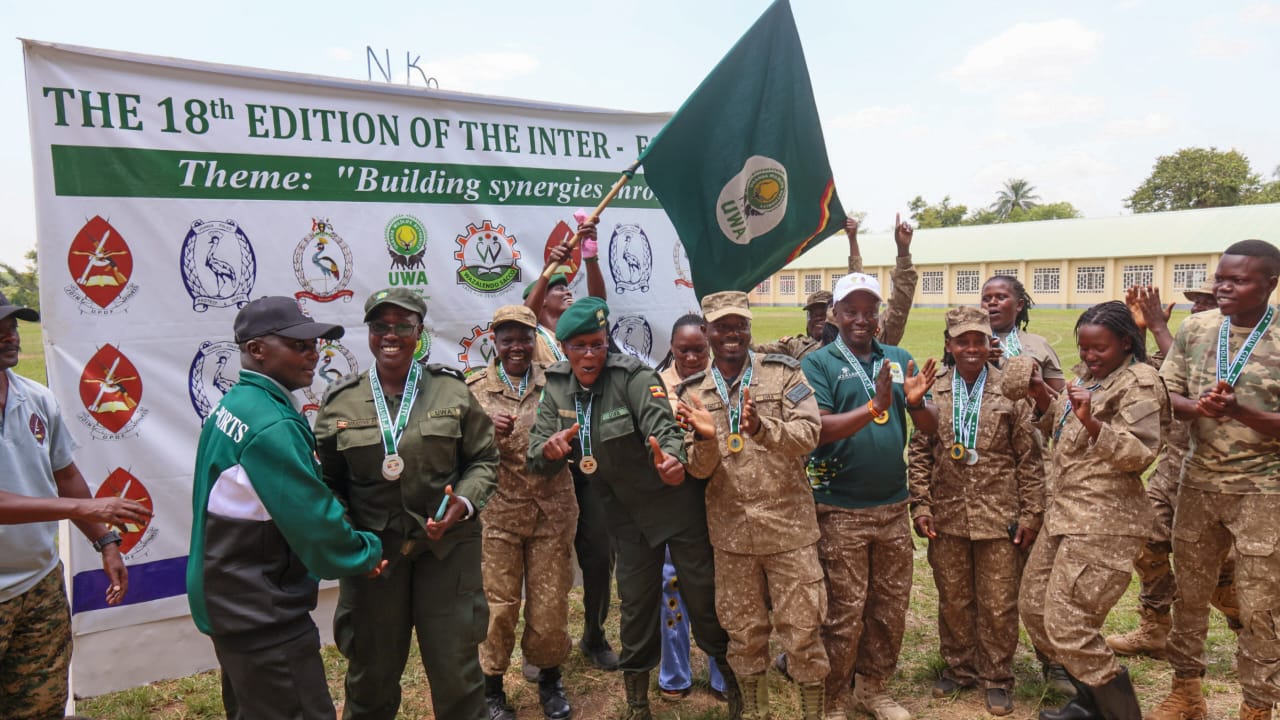
Uganda Wildlife Authority (UWA) has so far won 22 medals at the ongoing 18th Edition of the Inter-Forces Games being held in Gulu city
UWA participants are particularly excelling in athletics and shooting games, so far securing six gold medals in various athletic and field disciplines and four gold medals in the range shooting competitions held at the Air Force Range Ground in Gulu.
The four gold medals in shooting were won in the; women’s match 5 against Uganda Police Force, the men’s match 10 also against Uganda Police Force, senior officers match 8 where UWA fielded Assistant Commissioner Communications Hangi Bashir, who successfully hit 5 plates in less than 2minutes, and the fourth gold was earned by Lance Corporal Adockrach Kevin, who was named the overall best female shooting participant.
Mr. Hangi Bashir in action during the match 8 competitions Maj.Gen. Kalemere awards Mr. Hangi Bashir
Additionally, UWA has earned 4 silver medals—three from athletics and field games – and one from shooting—and 8 bronze medals across athletics, volleyball, and shooting events.
During the medal awarding ceremony for the shooting competitions, Major General Richard Kalemere, Joint Staff Education and Sports, thanked all participating forces for their discipline, teamwork, and cooperation being demonstrated in the ongoing games.
Adockrach salutes Maj. Gen. Richard Kalemere after receiving her gold medal
“While these are competitions, the main goal is to foster unity and collaboration among the sister forces,” Kalemere stated.
Lieutenant Colonel Opel Moses congratulated UWA for their strong performance in shooting and encouraged all forces to uphold patriotism, teamwork, and continue working closely together for the benefit of the country.
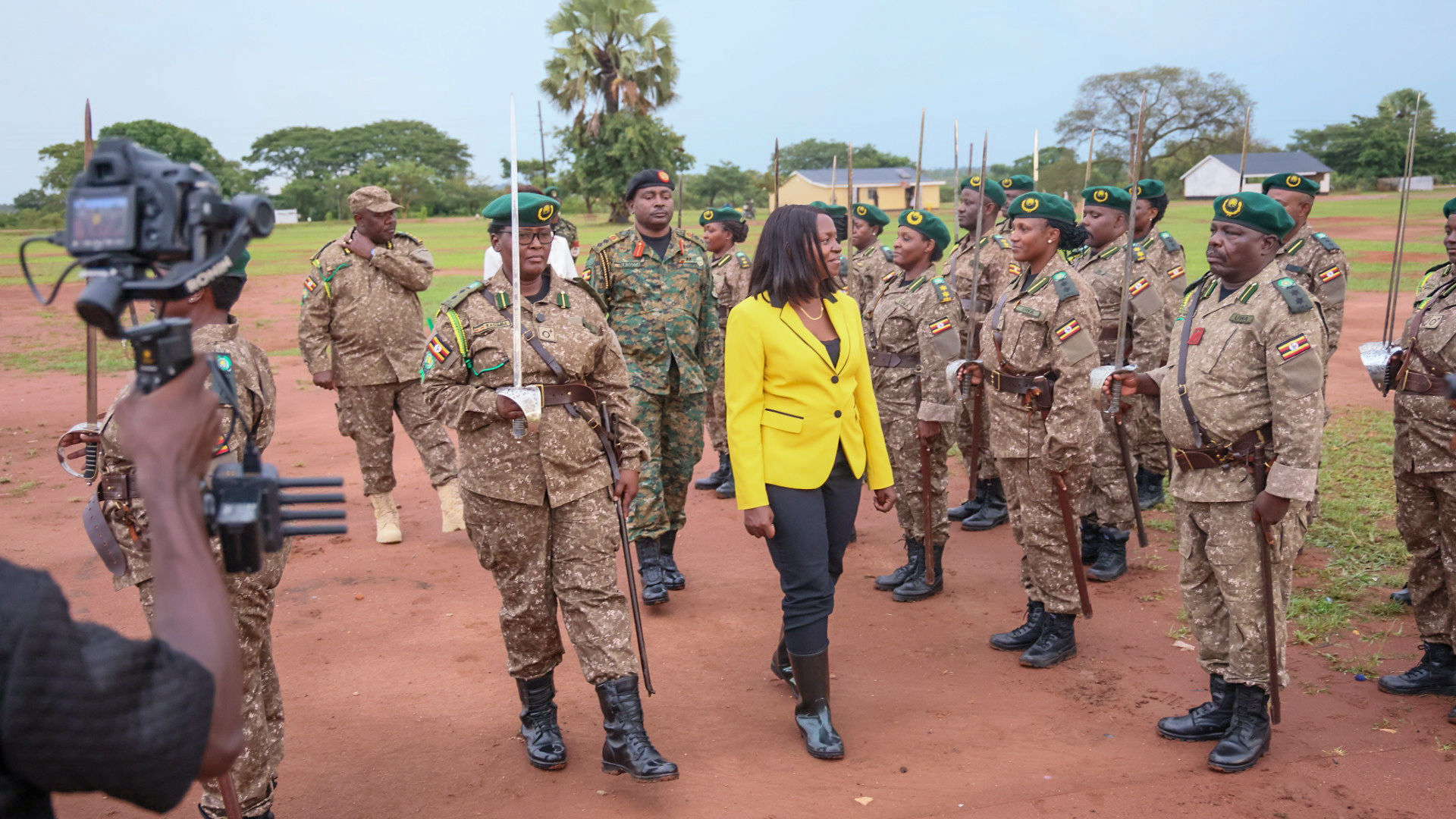
This year’s games, running until September 5th under the theme “Building Synergies Through Sports,” were officially opened by the Minister of Defense and Veteran Affairs, Hon. Kiryowa Kiwanuka, on 24th. August, at St. Joseph’s College Layibi in Gulu. He emphasized that sports and games foster unity, which is essential for creating a cohesive force that enhances national security and economic development.
Minister Kiryowa flanked by Minister Kisekka inspect parade
In addition to range shooting, volleyball ,athletics and other field games, the inter-forces teams of UPDF (who were the host), UPF, UPS plus UWA are also competing in various other sports, including football, netball, handball, and taekwondo.
State Minister for Internal Affairs, Hon. Juma Witonze Kisekka, stressed that Uganda’s security landscape requires collaboration rather than isolated institutional efforts. He noted that modern security challenges are complex and demand coordinated responses to ensure effective service delivery in peace, justice, and security.
Uganda Wildlife Authority is hosting the Parliamentary Committee on Tourism, Trade, and Industry at various conservation areas to evaluate efforts addressing human-wildlife conflicts.
Human-wildlife conflict is a major issue for communities living near conservation areas. As human activities reduce wildlife habitats, animals are coming closer to human settlements, leading to conflicts over shared resources such as water and grazing land. In Lake Mburo Conservation Area, where the committee led by the Vice Chairperson Hon. Patrick Aeku were received by UWA Commissioner Field Operations, Mr. Charles Tumwesigye, and Chief Warden Mr. Fred Wanyama, wildlife and livestock at some points graze together, which intensifies the problem of human-wildlife conflict.
The discussions are therefore geared towards assessing and finding solutions to mitigating the human-wildlife conflicts, which also involves understanding the compensation claim process where damages are caused.
Commissioner Charles Tumwesigye addressing the communities of Sanga Sub county , on his left is Hon Patrick Aeku
Commissioner Tumwesigye explained that the verification of compensation claims that involves identifying affected individuals and enforcing relevant regulations is conducted by a national verification committee under the Ministry of Tourism, Wildlife and Antiquities, rather than by UWA alone. He also noted ongoing efforts to review the Uganda Wildlife Act to resolve issues causing delays in the compensation process.
The committee has had engagements with communities in Rwamuhuku and Mihekye villages in Kiruhura District, Sanga Sub-county, where residents are requesting for the installation of electric fences in areas frequently affected by human-wildlife conflicts, emphasizing that compensation alone may not adequately address repeated losses.
They also visited the Rwamuhuku Youth Beekeeping Development Association, supported by UWA, which helps mitigate human-wildlife conflicts while promoting livelihood development through resource access.
Today 29th.August, the committee has set off to Queen Elizabeth Conservation Area, where the will Inspect the Kyambura Gorge, Nyamwamba and Rwehingo electric fences and also meet residents affected by human-wildlife conflict.
At Murchison Falls Conservation Area, the Committee, led by Chairperson Hon. Okot Boniface, was received by UWA’s Commissioner Community Conservation and Ex-situ Services, Mr. David Musingo, along with Chief Warden Mr. Kiiza Fred.
Mr. Ojanga Sunday the chairperson of Waiga village presents documents to the committee
Residents of Waiga Village shared challenges related to elephant invasions causing crop damage, injuries, and sometimes loss of life. Mr. Musingo assured them that these issues, including delays in compensation, are being addressed by strengthening UWA’s human resources, conducting community conservation education programs, and implementing conflict mitigation strategies such as electric fencing.
As the committee sets off to Kidepo Conservation Area, it will conduct an inspection of the Tangi Valley electric fence in Nwoya district and also interact with the communities of Tikao village in Oram Kitgum, who are at risk of human-wildlife conflicts.
The engagement underscores the importance of a collaborative approach to conservation challenges through legislative and budgetary support. Members of Parliament have recognized gaps in wildlife conservation laws and committed to backing necessary policy reforms to enhance conservation governance.
Uganda Wildlife Authority has registered significant progress in restoring order and disrupting organised environmental crime in Bugoma Central Forest Reserve, barely three months after assuming responsibility for its protection and management.
Between May and July 2026, UWA conducted 114 intelligence-led operations, arrested 336 suspects, recovered 3,721 bags of illegally produced charcoal and seized 697 pieces of illegally harvested timber. The operations also resulted in the impounding of 31 motor vehicles and 14 motorcycles used to transport charcoal, timber and other illegally obtained forest products from the reserve.
UWA formally took over the protection and management of Bugoma Central Forest Reserve on May 9, 2026, following a directive by President Yoweri Kaguta Museveni. The reserve was officially handed over to UWA by the Prime Minister, Rt. Hon. Robinah Nabbanja, during a ceremony held at Kisindi in Kikuube District. The presidential directive followed reports of extensive destruction of Bugoma through illegal charcoal production, commercial timber harvesting, agricultural encroachment, sugarcane cultivation and other unlawful activities.
Immediately after the handover, UWA deployed a multidisciplinary team of personnel under Operation “Biito Wells” and established its operational headquarters at Kisindi. The team comprises law enforcement personnel, intelligence officers and field support staff.The Authority intensified operations progressively, conducting 20 targeted operations in May, 34 in June and 60 in July. The operations covered several hotspots, including Nsozi, Nyairongo, Nyakabale, Kaseeta, Ngogoli, Nyampindu, Wairagaza, Kisindi, Maratatu and Kabale.
The 336 suspects arrested during the period were linked to offences including charcoal production, illegal timber harvesting, cultivation within the reserve, transportation of illegal forest products, destruction of protected vegetation and unauthorised entry. Several of the suspects have been arraigned before court, and their cases are progressing through the criminal justice system.
Charcoal production had been identified as the leading driver of forest degradation in Bugoma before the takeover. UWA recovered 630 bags of charcoal in May, 1,462 in June and 1,629 in July, bringing the total to 3,721 bags.
The Authority also recovered 283 pieces of illegally harvested timber in May, 54 in June and 360 in July. The seizure of 697 pieces of timber helped interrupt the commercial exploitation of indigenous tree species and protect the remaining natural forest stands.
Tools and equipment used in the destruction of the forest were also confiscated. These included seven power saws, two hand saws, 11 axes, 97 pangas, 68 hoes, 67 spades and 15 forked hoes.
UWA Executive Director Dr. James Musinguzi said the achievements demonstrate the importance of sustained Government presence and intelligence-led enforcement in safeguarding Bugoma.
“The progress registered within this short period shows that Bugoma can be protected and restored. Our operations have disrupted illegal charcoal production, timber harvesting and the transport networks that supported these activities. We shall maintain our presence and continue working with other Government agencies and surrounding communities to secure this important forest,” Dr. Musinguzi said.
UWA also investigated 69 cases involving 336 suspects. Intelligence gathered during the period helped identify emerging hotspots, track organised networks and guide the deployment of personnel across the 41,144-hectare reserve.
Although illegal activities have not been completely eliminated, sustained enforcement has significantly reduced charcoal burning, timber harvesting and other destructive activities in several previously affected areas. Illegal production camps have been dismantled, equipment confiscated and Government presence restored in locations that had previously been difficult to access.
Beyond enforcement, UWA has established the basic administrative systems required for the long-term management of Bugoma. Kisindi operational headquarters has been connected to piped water and equipped with solar power. Staff have also received training in statement recording, investigations and exhibit handling.
Tourism has continued alongside the protection operations. Bugoma recorded 87 visitors during June and July 2026, including 31 visitors in June and 56 in July. Activities offered in the forest include chimpanzee tracking, chimpanzee habituation experiences, mangabey tracking and guided nature walks.
The continued tourism activity demonstrates Bugoma’s potential to become an important ecotourism destination while generating benefits that support conservation and neighbouring communities.
On July 31, 2026, the Minister of Tourism, Wildlife and Antiquities issued temporary management measures for Bugoma Central Forest Reserve under General Notice No. 1430 of 2026. The measures provide an interim framework for UWA and other stakeholders to manage and protect the forest pending its declaration as a Wildlife Conservation Area.
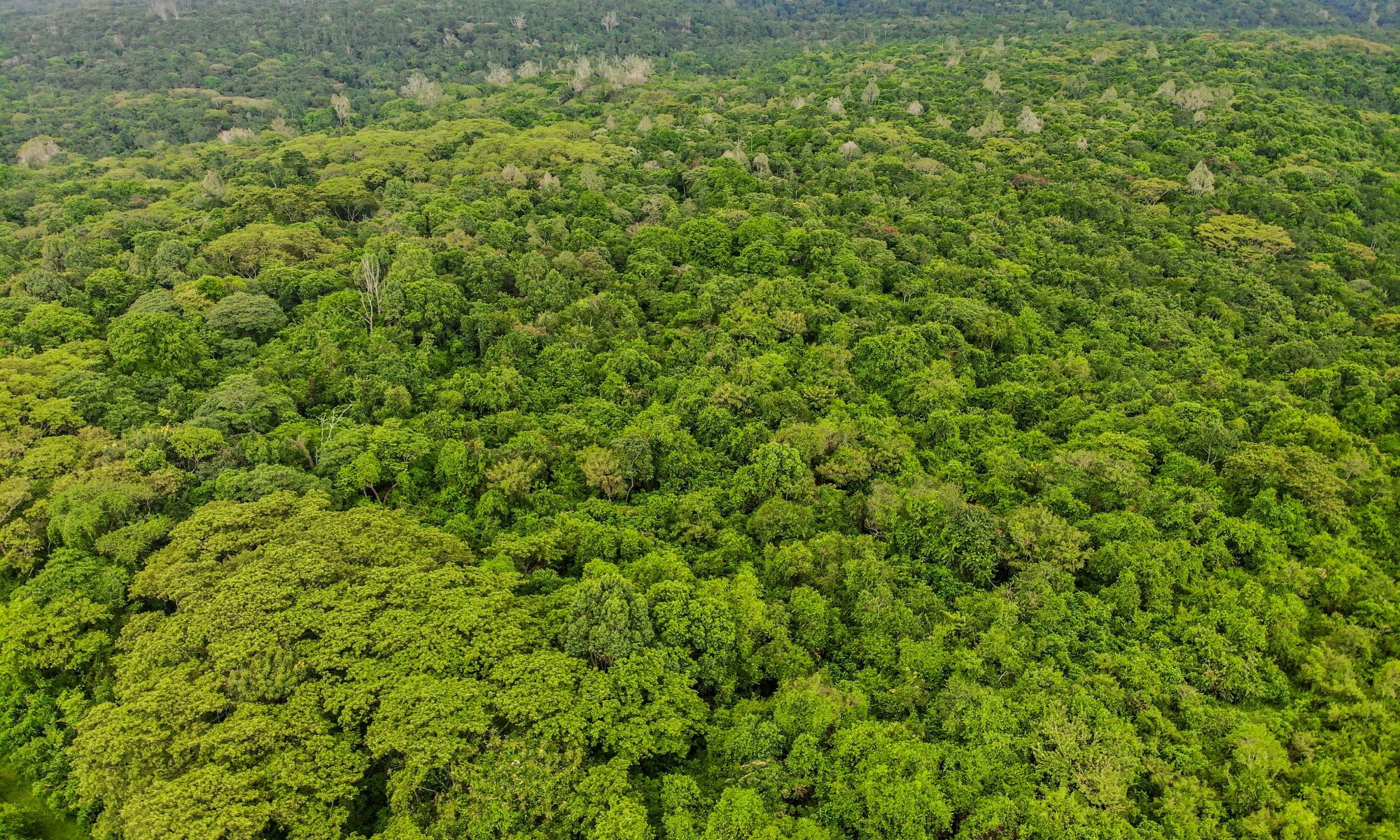
Bugoma is one of Uganda’s most ecologically important tropical forests. It provides habitat for chimpanzees, elephants, mangabeys and numerous species of birds, butterflies and indigenous trees. The forest also supports watershed protection, climate regulation, carbon sequestration and ecological connectivity within the Albertine Rift landscape.
UWA says the next phase will focus on consolidating enforcement gains, verifying and demarcating the forest boundary, restoring degraded areas, strengthening cooperation with neighbouring communities and supporting the Government process to provide Bugoma with stronger and permanent legal protection.
Following a successfully completion of the 8th edition of the Inter CA games at Lake Mburo National Park, where the host team from Lake Mburo emerged as overall champions across various sports disciplines including range shooting, Uganda Wildlife Authority is now preparing for the upcoming 18th edition of the Interforces Games and Shooting Championship. The event is scheduled to take place from August 22nd to September 5th, 2026, in Gulu City.
UWA ED Dr James Musinguzi awarding the 2026 Inter-CA champions – Lake Mburo National Park
Uganda Wildlife Authority will compete alongside its sister security forces: the Uganda People’s Defense Forces (UPDF), who are the hosts, the Uganda Police Force (UPF), and the Uganda Prisons Service (UPS). The competitions will feature events such as women’s netball, men’s football, men’s volleyball, men’s handball, athletics for both women and men, taekwondo for both women and men, darts for both women and men, and range shooting for both women and men. UWA Ass. Commissioner Communications Bashir Hangi says, the Authority will field participants in all the disciplines, in this bi-annual event.
UWA Ass. Commissioner Communications Bashir Hangi
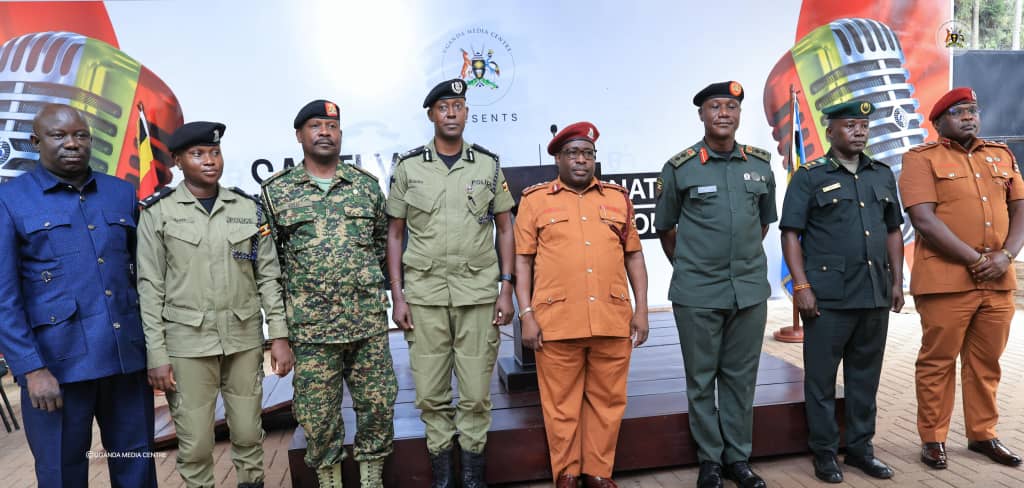
The championship, themed “Building Synergy through Sports,” aims to enhance cooperation and teamwork among the country’s security agencies. Speaking to journalists at the Uganda Media Centre, Deputy Director Defence Public Information, Colonel Henry Obbo, emphasized that the games are designed to foster inter-agency collaboration, promote civil-military relations, improve the health and well being of personnel, and help reduce stress.
Colonel Henry Obbo
He also noted that the championship offers a platform to discover and develop sporting talent within the security forces, with some participants potentially advancing to contribute to Uganda’s broader sports community.
Colonel Obbo encouraged the public in Gulu and nearby areas to attend in large numbers to support and cheer on the competing teams.
The opening ceremony is set for August 24, 2026, at St. Joseph’s College Layibi in Gulu City, with the closing ceremony scheduled for September 4, 2026, at the same location.