UWA Women Called on to Strike a Balance Between Career and Gender Roles

UWA women have been reminded of their gender roles and the importance of balancing these with their careers to become influential leaders worldwide.

Dr. Joyce Nalunga Birimumaaso, a prominent Ugandan lawyer, transformational leader, and motivational speaker, made these remarks as a key note speaker during the UWA International Women’s Day Celebrations held at the Authority Headquarters in Kamwokya, Kampala. She emphasized the importance of humility and inclusiveness in leadership, highlighting that women are regarded as role models who shape character and discipline

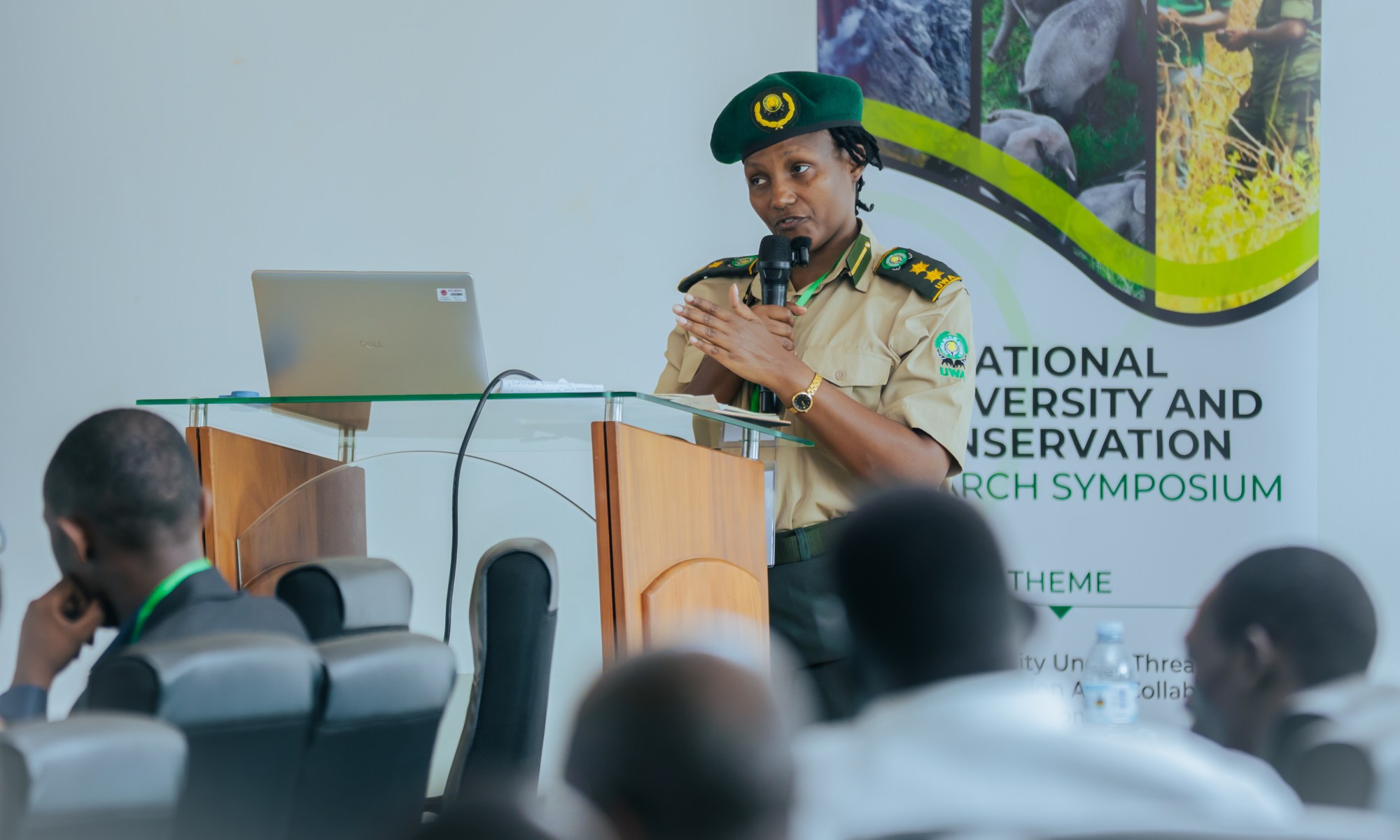
Dr Nalunga speaking to the UWA ladies as they celebrated International Women’s Day

She stated, “The future is female. The future is bold. That’s why His Excellency has appointed many women to high-ranking positions. When you believe in yourself, others will believe in you. When you doubt yourself, people can sense it. If you don’t value yourself, who else will? Confidence in yourself will be visible to everyone.”

Dr. Nalunga also discouraged the “pull-down syndrome,” where women undermine other women’s progress, urging women to support one another to reach their full potential. She reminded them that in the professional world, there are no excuses and encouraged them to be results-oriented and add value to their organization.

UWA Executive Director Dr James Musinguzi who briefly stepped to celebrate with the ladies in an evening they dubbed as UWA Women’s Day – Ka-Chai Fire Side Chat, encouraging women to pursue further education to better compete with their male counterparts in the job market, emphasizing that once empowered, women can compete equally with men in various fields.

Dr. James Musinguzi (UWA ED), hands over a flower Dr Joyce Nalunga appreciating her for the insightful talk

UWA Commissioner Human Resources, Susan Muhumuza Nyatia, highlighted the importance of gender equality in leadership roles and motivated women to strive for higher positions. Additionally, Dr. Ahebwa Keisha Patience, a mental health and wellness consultant at Thrive Therapy and Wellness, advised women to prioritize self-care and establish boundaries, reassuring them that it is acceptable to say *no* when feeling overwhelmed.

UWA Commissioner Human Resource


Anticipation Builds as Shoe Bill Egg Approaches Hatching Day At UWEC

Uganda Wildlife Authority is eagerly anticipating a historic moment as they await the hatching of the very first Shoe bill egg laid in captivity at the Uganda Wildlife Conservation Education Centre – Entebbe Zoo. Today, March 9th, marks the 39th day of incubation, according to Assistant Animal Keeper Hannington Bulemu, who monitors the progress daily.

Typically, Shoe bill stork eggs incubate for 30 to 35 days, averaging about one month. Both parents share incubation duties, taking turns sitting on their clutch of one to three eggs. In captivity, however, the incubation period can extend to around 45 days, as documented in 2008 at Pairi Daiza in Belgium, where the first captive Shoe bill successfully hatched.

The Shoe bill at UWEC reorganizes the nest to create a better incubation environment

The length of incubation varies depending on environmental factors, parental behavior, and the timing of egg-laying. When multiple eggs are laid several days apart—a process called asynchronous hatching—parents may begin incubating before all eggs are laid, causing the eggs to hatch on different days rather than simultaneously.

In the Background is the Male Shoe bill at the nest as the female guards the surrounding

Both Shoebill parents share incubation responsibilities and actively cool the eggs by wetting them with water from their beaks. Occasionally, inconsistent care such as leaving the nest unattended (egg neglect) occurs; while this doesn’t always impact the success rate, it can affect the incubation duration.

About Shoe bills

The Shoe bill (Balaeniceps rex) is a large, stork-like bird native to East African wetlands, recognized for its enormous, shoe-shaped bill with a sharp, hooked tip used for hunting. They stand 4 to 5 feet tall, with an 8-foot wingspan and have grey plumage.

Shoe bills are monogamous during breeding but are otherwise solitary. They hunt by ambush, remaining motionless for hours before capturing fish, baby crocodiles, and snakes. The IUCN lists them as vulnerable, with an estimated 3,300 to 5,300 individuals remaining in the wild.

They exhibit a unique behavior called urohydrosis, where they defecate on their legs to cool down. Generally quiet, they produce a loud, rattling, machine-gun-like sound with their bills, especially during mating.

Their primary habitats are swamps and marshes. Shoe bills can live up to approximately 35 years in the wild and up to 50 years in captivity.

Hundreds Ran To Raise Funds for Rangers’ Orphans

Hundreds of runners participated in the 8th edition of the Uganda Wildlife Half Marathon held at Kitante Primary School. Originally known as the Uganda Wildlife Marathon, the event was renamed the Uganda Wildlife Half Marathon and takes place annually as one of the activities leading up to World Wildlife Day, observed every March 3rd.

The marathon’s goal is to raise funds for the children of fallen rangers who lost their lives while on duty. Participants took on 21km, 10km, and 5km races along various routes within Kampala, starting and finishing at Kitante Primary School.

Minister Butime fires a start gun to flag off runners during the Marathon

Flagging of the runners, the Cabinet Minister for Tourism, Wildlife, and Antiquities, Hon. Tom Butime, expressed gratitude to everyone who supported this year’s edition, including conservation enthusiasts, partners, sponsors, and individuals.

UWA ED Dr. James Musinguzi (2nd from left), taking on the 5Km

Uganda Wildlife Authority Executive Director, Dr. James Musinguzi, promised that the marathon will continue to grow bigger and better to help keep the children of fallen rangers in school.

Pictorial

Winners of the Uganda Wildlife Half Marathon 2026 pose for a photo with UWA Top Management
Commissioner Field Operations Charles Tumwesigye receives a medal from UWA’s athlete Halima Nakayi

Journalists Recognized for Their Contribution to Advancing Conservation Efforts

A celebratory atmosphere filled Protea Hotel in Kololo, Kampala, as the Uganda Wildlife Authority honored the most exceptional journalists in conservation reporting for the year 2025.

The nature themed event was attended by the State Minister for Tourism, Wildlife and Antiquities, Hon. Martin Mugarra Bahinduka, who praised the journalists for their relentless efforts in sharing impactful conservation stories.

Minister Mugarra awarding Richard Olwenyi and David Ocheng, winners of the Community Conservation Broadcast category

The Minister expressed gratitude to supporting partners and urged other stakeholders to join in backing the media to continue highlighting stories of resilience and innovation within the conservation sector.

In his opening remarks, UWA Executive Director Dr. James Musinguzi highlighted the growth of the Authority’s conservation awards from the first edition to the third, with the fourth scheduled for 2026, indicating increasing trust in the awards and growing interest from donors to engage more professionally in conservation journalism.

UWA ED Dr James Musinguzi awards Innocent Kiiza, winner of the Wildlife Crime Print/Online Category

He stated, “UWA remains dedicated to collaborating closely with the media by enhancing access to information, ensuring accountability, facilitating field visits, and supporting responsible and ethical reporting.” He also announced the 2026 Conservation Media Awards and encouraged journalists to begin preparing their submissions.

UWA Board Chairman Prof. James Kalema emphasized that modern conservation extends beyond protecting the environment on the ground; it also involves shaping mindsets, influencing national and international conversations, and building long-term public support—all vital roles fulfilled by the media through their reporting, photography, documentaries, and radio/television broadcasts.

UWA Board Chair Prof James Kalema awards one of the winners

He added that the media have successfully brought conservation issues closer to the public, who greatly appreciate these efforts.

UWA Assistant Commissioner Communications, Bashir Hangi, stated that the quality of stories is improving every year, demonstrating that UWA’s media capacity-building efforts in nature, conservation, and wildlife storytelling are making a significant impact.

UWA Ass. Commissioner Communications Bashir Hangi gives his speech

Maz Robertson, the WildAid East African Representative, emphasized that this time, journalists truly committed themselves to thoroughly investigating their stories, using multiple sources and carefully verified facts, which made all categories highly competitive.

WildAid East African Representative, Maz Robertson awarding one of the winners

The awards recognized winners in five categories: Community Conservation, awarded to Edward Anyoli, Richard Olweny, and David Ochieng; Habitat and Environment, won by Gerald Tenywa and Eli Akiiza; Wildlife Crime, received by Innocent Kiiza and Johnisani Ocakacon; Wildlife Protection, awarded to Sarah Mawelere and Joshua Kagoro; and Photograph of the Year, which went to Jacob Mukalazi.

Winners of the Conservation Media Awards 2025

Each winner received 5 million shillings in cash, while runners-up were given certificates and a one-year free entry pass to all of Uganda’s national parks.

KVCA Advances with Support from the EU NaturAfrica Kidepo-Turkana Landscape Project

Kidepo Valley National Park is undergoing significant changes as new initiatives take shape. This progress follows the launch of the EU NaturAfrica Landscape Project, which focuses on addressing human-wildlife conflicts and promoting coexistence. The project highlights the importance of conservancies in enhancing both livelihoods and conservation efforts, while encouraging collaboration among local communities, governments, and donors.

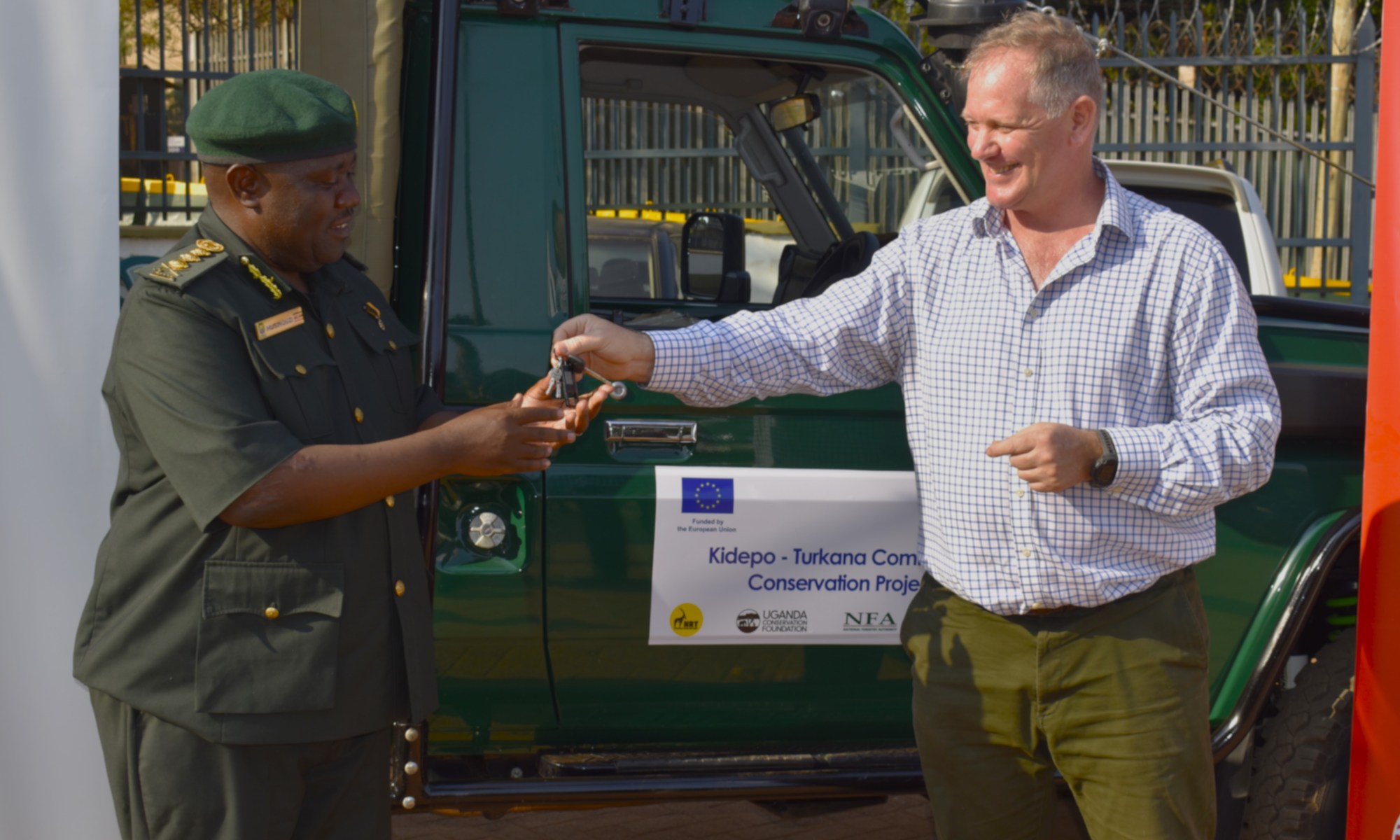
During the project launch, several key developments were introduced, including the handover of the Joint Operations Command Centre (JOCC) at the Kidepo Valley Conservation Area Headquarters. This center aims to integrate communication and operational management within the park and surrounding community conservancies.

Additionally,six motorcycles were provided to the Uganda Wildlife Authority (UWA), National Forest Authority (NFA), and Morungole Community Conservancy to aid in project monitoring. The Rhino Sanctuary was also unveiled, paving the way for the reintroduction of rhinos to the area, that had not been seen there since 1982 – Kidepo is set to receive both Southern and Eastern Black Rhinos, which is expected to enhance the park’s tourism appeal.

UWA Commissioner Field Operations, Charles Tumwesigye, representing Executive Director Dr. James Musinguzi, expressed gratitude to all stakeholders and partners involved, including the Northern Rangelands Trust (NRT) as the project lead, Uganda Conservation Foundation (UCF), National Forest Authority (NFA), Kenya Wildlife Research & Training Institute (WRTI), and the Morungole Community.

He pledged that UWA will continue collaborating closely with these partners to ensure the project effectively addresses wildlife-related challenges and improves local livelihoods. He emphasized, “Together, we can transform conflict into coexistence and prosperity.”

Northern Rangelands Trust CEO Shaval Shah praised the collaborative spirit, stating, “No one can manage this complex project alone—our combined efforts will create secure futures.” He highlighted that conservancies empower local communities while safeguarding wildlife and expressed optimism that the Rhino Sanctuary could successfully breed 100 rhinos within 20 years following their reintroduction.

The project launch marks a unified commitment to advancing conservation efforts alongside economic development in the region.

Census Confirms 426 Chimpanzees In Bwindi Impenetrable National Park

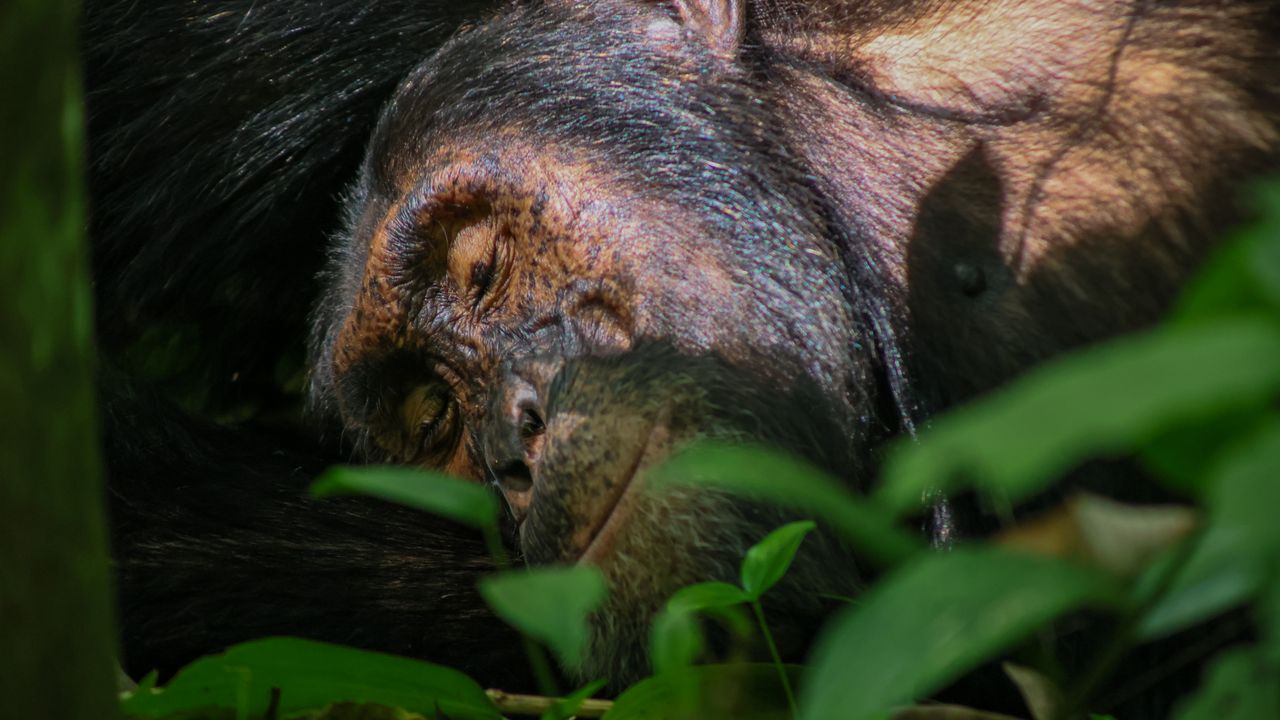
The 2025 Bwindi Chimpanzee Census has confirmed the presence of an estimated 426 chimpanzees widely distributed across Bwindi Impenetrable National Park, marking a major milestone in strengthening evidence- based conservation in one of Africa’s most important protected landscapes.

The results were officially launched today by the Minister of State for Tourism, Wildlife and Antiquities, Hon. Martin Mugarra Bahinduka, at Uganda Wildlife Authority Headquarters in Kampala.

Speaking at the launch, Hon. Bahinduka emphasized the importance of science-led conservation. “The confirmation of a substantial and widely distributed chimpanzee population in Bwindi strengthens our understanding of the park as a critical habitat for great apes and reinforces the need to manage protected areas using sound scientific data, particularly in the face of climate change, habitat pressure, and growing demand for land and resources,” he said.

A UNESCO World Heritage Site internationally recognized for its mountain gorillas, Bwindi has long been a global model for great ape conservation. This first dedicated and systematic chimpanzee census significantly expands scientific understanding of Bwindi’s great ape community and formally integrates chimpanzees into park-wide conservation planning alongside gorillas.

Conducted between May and June 2025, the census was led by the Jane Goodall Institute (JGI) Uganda in partnership with Uganda Wildlife Authority (UWA) and the Greater Virunga Transboundary Collaboration (GVTC), and implemented alongside the park’s sixth mountain gorilla census.

Using standardized line-transect survey methods, including Standing Crop Nest Count and Marked Nest Count approaches, researchers surveyed 320.9 square kilometres across all four park sectors Buhoma, Ruhija, Nkuringo, and Rushaga generating the first robust, site-specific baseline on chimpanzee population size, density, and distribution – Findings confirm that chimpanzees are widely distributed throughout the park, occupying habitats ranging from mixed Afromontane forest to higher-elevation montane ecosystems.

Under conservative modelling assumptions, the census estimated an average density of 1.33 chimpanzees per square kilometre, challenging earlier assumptions that the species was rare or confined to marginal areas.

The census recorded minimal signs of human disturbance, indicating that the habitat remains largely intact and effectively protected. Observations of other large mammals, including mountain gorillas and forest elephants, as well as additional primate species and vegetation characteristics, were documented, providing valuable context for integrated, multi-species conservation planning.

Commenting on the findings, Dr. James Musinguzi, Executive Director of UWA, said the census provides a strong scientific foundation for conservation decision-making. “For the first time, we have clear scientific evidence confirming a substantial and widely distributed chimpanzee population within Bwindi. This strengthens our ability to plan, protect, and manage the park using evidence-based approaches, while ensuring that chimpanzees receive conservation attention alongside other great apes,” he said.

The Executive Director of JGI Uganda, Mr. James Byamukama, noted that the census addresses long-standing knowledge gaps. “The evidence confirms that chimpanzees are not a marginal presence but an integral component of Bwindi’s ecosystem. This baseline will guide conservation planning, protected area management, and regional biodiversity strategies, while supporting Uganda’s international conservation commitments,” he said.

The Bwindi Chimpanzee Census operationalizes Uganda’s National Chimpanzee Conservation Strategy (2023/24–2032/33) by providing site-specific, scientifically robust population data to support evidence-based implementation of the Strategy, strengthen monitoring of population trends and habitat integrity, guide targeted law enforcement, and align conservation investments with priority chimpanzee landscapes.

Watch Full Event

Ivory Trafficker Arrested In Nwoya

The Special Wildlife Crime Unit and the Uganda Police Force, have arrested a suspected ivory trafficker and recovered 154 kilograms of raw elephant ivory in an intelligence-led operation conducted in Nwoya District.

The suspect, Opiro Francis was arrested on February 22, 2026 in Nwoya District, while in possession of ten (10) pieces of raw elephant tusks. He will be produced before the Standards, Utilities and Wildlife Court for prosecution and charged with unlawful possession of protected wildlife specimens, contrary to the Uganda Wildlife Act Cap 315.

Francis Opiro

Commenting on the operation, Dr. James Musinguzi, Executive Director of Uganda Wildlife Authority, said the arrest demonstrates Uganda’s firm stance against wildlife crime. “This seizure sends a clear and firm message that Uganda will not tolerate wildlife crime – Ivory trafficking is a serious offense that threatens our elephant populations, undermines conservation gains, and fuels organized criminal networks operating across borders.”

Dr. Musinguzi emphasized the role of intelligence-led enforcement and inter-agency coordination. “The success of this operation reflects the strength of intelligence – driven enforcement and close coordination between Uganda Wildlife Authority and security agencies. We remain fully committed to dismantling wildlife trafficking networks wherever they operate.” He warned traffickers that enforcement efforts are being intensified nationwide. “Northern Uganda has been exploited by traffickers as a transit route for illegal ivory, but our enforcement presence is stronger than ever.

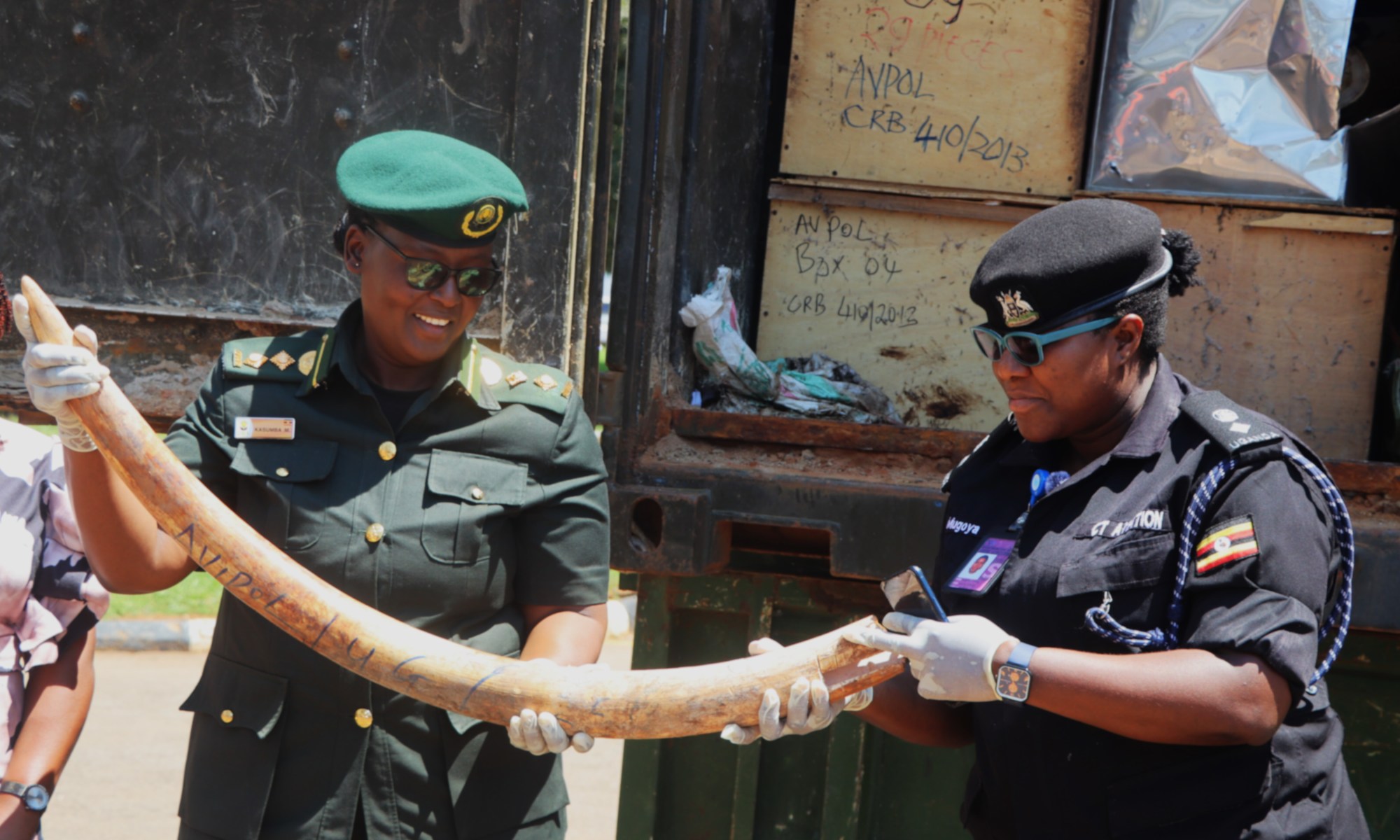
Some of the pieces of Ivory that were recovered

Anyone involved in wildlife trafficking should know that arrest, prosecution, and stiff penalties are inevitable.” The arrest shows the continued threat posed by ivory trafficking to elephant populations. Wildlife crime not only endangers biodiversity but also undermines national security, tourism revenues, and community livelihoods.

Uganda Wildlife Authority remains committed to protecting Uganda’s wildlife resources by disrupting wildlife trafficking networks at all levels. We urge members of the public to report any suspicious activities so that together we can protect Uganda’s wildlife heritage for present and future generations.

World Wildlife Schools Conservation Contests Kick Off with Full Momentum

St. Mary’s College Lugazi Wins Secondary Schools Category

Tension filled the hall at St. Marks College Namagoma as the judges posed the final set of questions to break the tie between two schools in the World Wildlife Conservation Competitions for the Secondary Schools category.

Questions such as: Who is the Cabinet Minister of Tourism, Wildlife, and Antiquities? When is the Uganda Wildlife Half Marathon? Which city hosted the 2025 World Wildlife Day? And when is World Wildlife Day celebrated? challenged the students from Seroma Christian High School and Jinja College School to see who would answer right.

Students of Seroma Christian High School thinking through the questions

Seroma Christian High School successfully answered three out of five questions, earning them third place with a total of 194 points. The first and second places went to St. Mary’s College Lugazi and St. Marks College Namagoma, respectively, with only a one-point difference—225 points for Lugazi and 224 for Namagoma.

The competition, organized by the Uganda Wildlife Authority in partnership with the Wildlife Clubs of Uganda, was held under the theme “Medicinal and Aromatic Plants: Conserving Health, Heritage, and Livelihood,” which is also this year’s World Wildlife Day theme. Seven schools participated, including Kiira College Butiki, St. Maria Goretti Katende, and Kawempe Muslim Secondary School.

The Art poster pieces drawn by the students

The schools presented themed poetry and artwork and took part in a quiz testing their knowledge of sustainable use of herbal medicine and its treatments.

When presenting the trophies, UWA Senior Warden, Education and Awareness, Getrude Namakula Kirabo, congratulated the winners and encouraged all participants to continue learning, emphasizing that education is a lifelong journey.

Senior Warden Getrude Kirabo Namakula hands over Trophy to the Winners; St. Mary’s College Lugazi

Upcoming events include competitions for tertiary institutions on February 25th at UWEC-Entebbe Zoo, and primary schools will conclude the contests on February 27th at Lake Victoria Primary School in Entebbe.

These school conservation competitions are part of the World Wildlife Day activities scheduled for March 3rd at Entebbe Works Playground in Entebbe Municipality.

In preparation for World Wildlife Day, UWA has also organized the 8th Uganda Wildlife Half Marathon on March 1st at Kitante Primary School. The marathon aims to raise funds for the orphans of fallen rangers who lost their lives in the line of duty.

UWA Holds African Grey Parrot Conservation Symposium

UWA held its first ever African Grey Parrot symposium to evaluate the Save the African Grey Parrot project, which has been ongoing since 2021 and is expected to conclude in May 2026.

UWA through UWEC – CA partnered with Chubu University and Japan International Cooperation Agency (JICA) in 2017 and rolled out this project to raise community awareness, foster anti-poaching activities, and do reforestation efforts in communities with key habitats for the endangered African Grey Parrot, all aiming at creating a sustainable model in which both people and parrots can thrive.

The project, which prioritized communities, began activities on Koome and Busi Islands by working with local leaders and organized groups. These groups participated in various capacity-building trainings and workshops, including practical skills in craft making as an alternative livelihood. This approach aimed to lessen the pressure on the forest, which is the main habitat of the African Grey Parrot.

At the opening of the symposium at Admas Grand Hotel – Entebbe, UWA Executive Director Dr. James Musinguzi re-emphasized the importance of involving local leaders in conservation efforts, especially in areas where the species holds cultural significance, such as being regarded as totem symbols.

Dr. James Musinguzi delivers his speech during the symposium

He added that UWA-funded livelihood projects aim to provide alternative income sources for communities, encouraging them to report illegal activities and actively participate in conservation and such should be embraced.

Beyond active community involvement in conservation and ecotourism, the project has achieved several successes. These include increased awareness of environmental conservation, development of infrastructure supporting the welfare of African Grey Parrots and broader conservation initiatives, staff training programs that featured international exchanges, and notably, the release of parrots from UWEC – Entebbe Zoo into Kibale National Park and Ngamba Island.

David Musingo, UWA Commissioner Community Conservation and Ex-Situ Wildlife Services and the project coordinator, explains that the project aims to establish a “Ugandan Model for African Grey Parrot Conservation.” This model combines science-based conservation and monitoring, habitat restoration focused on native food tree species, and enhanced community participation programs.

Community Members from Koome Island receive an award from the project coordinators UWA, Chubu University and JICA

The goal of this model is to ensure the long-term survival of African Grey Parrots in Uganda and to provide a replicable framework that can be applied in other African countries facing similar conservation challenges.

The African Grey Parrot is among the most threatened species in Africa due to illegal wildlife trade, habitat loss, and natural forest degradation. Over the past 40 years, it has been the most illegally exported bird species, with more than 1.3 million individuals trafficked.

UWA Set For The 2026 Uganda Wildlife Half Marathon

The 8th edition of the Uganda Wildlife Half Marathon is back to continue supporting children of the rangers who lost their lives while on duty. The marathon is set to take place at Kitante Primary School in Kampala on March 1, 2026, under the theme “Running to Educate Children of the Fallen Rangers.”

Bashir Hangi, the Assistant Commissioner Communications at UWA and head of the Marathon Committee, is optimistic that people will continue to support this cause as they have in previous years. He explained that the funds raised from the marathon contribute to the Fallen Rangers Education Fund, which currently supports nearly 150 children from primary and secondary schools to higher institutions of learning, the children complete their education and are ready to enter the job market.

State Minister For Tourism Wildlife and Antiquities Hon. Martin Mugarra Bahinduka launches this year’s Marathon

Allan Kelechi, a beneficiary of this program who is graduating this year with a Bachelor’s degree in Computer Science from Multitech Business School, and who has siblings also supported by the program, shared that their academic futures have been greatly improved thanks to the UWA Education program of the children of the fallen rangers.

Allan Kelechi

He said, “Since my father passed away, UWA has covered my school fees—I have completed my studies and am now awaiting graduation. I am hopeful that my siblings, who are also supported by the fund, will succeed one day as well.”

For this half marathon, registration fees range from 30,000 to 50,000 Ugandan shillings for individuals; schools pay 700,000 shillings for primary and 900,000 shillings for secondary; and corporate sponsors contribute between 3 million and 10 million shillings. Participants will take on distances of 21 km, 10 km, and a 5 km fun run.