Uganda Wildlife Authority (UWA) has identified four key focus areas that will help the organization achieve its 290 billion target in the 2026/2027 financial year.
Speaking to UWA tourism officers during the annual meeting at the Uganda Wildlife Conservation Education Centre (UWEC) – Entebbe Zoo, Acting Commissioner Tourism and Business Development, Dorcus Rukundo, stated that the tourism department which stand at the forefront of ensuring that tourists get value for their money, must intensify efforts in product development, digital marketing, investment opportunities, and specialization to meet the set goal.
Ag. Comm. Dorcus Rukundo Speaking at the Meeting
Rukundo stressed that every staff member, regardless of their role or location, should create a new product for the year and learn from one another, recognizing that everyone has unique talents.
She also highlighted the need to boost digital marketing of tourism products, encouraging staff to embrace the digital age by adopting artificial intelligence tools wisely and establishing social media accounts to promote Uganda’s tourism potential.
Additionally, Rukundo urged staff to explore diverse investment opportunities at local tourism sites and to seek investors beyond the traditional concession model.
Specialization was also emphasized as a way to improve visitor experiences, with examples including experts in bird watching, botany, indigenous knowledge, and culture.
With some wildlife reserves being upgraded to National Parks and the government assigning UWA responsibility for more protected areas, Rukundo highlighted the importance of strengthening teamwork to ensure the success of conservation efforts across all protected sites.
This meeting, also comes ahead of the Pearl of Africa Tourism Expo (POATE) 2026, Uganda’s leading tourism and travel event happening starting tomorrow 21st.May – 23rd. May at Speke Resort Munyonyo. This annual event brings together global tourism industry leaders and invited buyers and this year’s theme is “Wanderlust – It’s Your Time to Thrive.”
Uganda Wildlife Authority (UWA) has officially taken over the responsibility for the protection and management of Bugoma Central Forest Reserve. The handover ceremony, held at the Kikuube District Headquarters, was led by the Rt. Hon. Prime Minister of Uganda, Robinah Nabbanja.
This handover follows a directive from His Excellency President Yoweri Kaguta Museveni aimed at enhancing the protection of Bugoma Forest, stopping ongoing degradation and encroachment, and ensuring the sustainable conservation of its ecosystem. During the ceremony, the Prime Minister stated that the government could no longer tolerate the continued destruction of one of Uganda’s vital natural ecosystems.
She emphasized government’s commitment to preserving the country’s environmental heritage and protecting Bugoma Forest for both current and future generations.
“The government could not continue to watch the endless degradation of Bugoma Forest. This handover reflects our commitment to safeguarding Uganda’s natural heritage and ensuring this crucial ecosystem is preserved for generations to come,” she said.
The Prime Minister expressed full confidence in the Uganda Wildlife Authority’s ability to protect and manage the forest sustainably and instructed the Ministry of Tourism, Wildlife and Antiquities to accelerate efforts to upgrade Bugoma Forest to National Park status.
She also called for the eviction of all encroachers from the forest without compensation, in line with the Presidential directive aimed at restoring and preserving the forest’s integrity.
The Minister of Tourism, Wildlife and Antiquities, Col. Tom Butime, described the handover as a significant milestone in strengthening conservation and environmental protection in Uganda. “Today’s event marks a major step forward in protecting Bugoma Forest, following the President’s directives to safeguard this vital ecosystem and halt ongoing degradation and encroachment,” he said.
The Minister further assured the government and public that UWA possesses the institutional capacity and expertise necessary to effectively protect and manage Bugoma Forest.
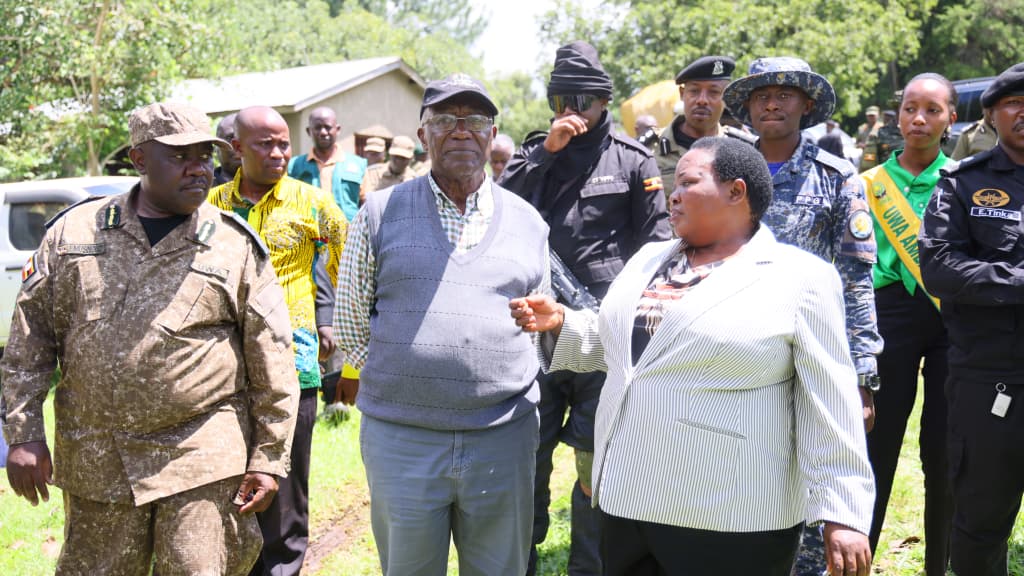
UWA ED Dr. James Musunguzi salutes the Minister of Tourism Wildlife and Antiquities, Hon. Tom Butime, in the middle; UWA Board Chairman Prof. James Kalema
“Over the years, Uganda Wildlife Authority has demonstrated strong capacity and professionalism in managing protected areas, enforcing laws, restoring ecosystems, protecting wildlife, and promoting community conservation,” he added.
The Permanent Secretary of the Ministry of Tourism, Wildlife and Antiquities, represented by the Commissioner for Wildlife Conservation, Mr. George Owoyesigire, noted that the handover followed extensive consultations and coordination meetings with relevant government bodies and stakeholders. He mentioned that the forest will be managed under a General Management Plan developed in collaboration with all stakeholders to ensure sustainable use of forest resources by neighboring communities.
Commissioner for Wildlife Conservation Min. Of Tourism Wildlife and Antiquities, Mr. George Owoyesigire
Other attendees included Kikuube District Chairperson Mr. Opio Vincent; Kikuube District Woman Member of Parliament Hon. Florence Natumanya; Buhaguzi County Member of Parliament Hon. Francis Kazini Twinomujuni; Chairman of the UWA Board of Trustees Prof. James Kalema; UWA Executive Director Dr. James Musinguzi; representatives from the Ministry of Water and Environment; local leaders; UWA staff; and other stakeholders.
After the handover, UWA has assigned staff to Bugoma Forest to enhance protection, monitoring, and enforcement against illegal activities. The Authority will also conduct an evaluation to determine the extent of forest degradation and subsequently create a suitable restoration and management plan to support long-term conservation efforts.
Uganda Wildlife Authority (UWA) has released the list of successful candidates following the recent nationwide recruitment exercise for Wildlife Rangers conducted across various Conservation Areas.
The list of selected candidates is posted on the noticeboards at the respective Conservation Areas where interviews took place, and is also available on the Uganda Wildlife Authority’s website at https://ugandawildlife.org/ranger-recruits/ ranger-recruits.
The chosen recruits are required to report for training starting on May 17, 2026, at 10:00 a.m. at Kabalega Secondary School in Masindi District. Failure to report at the specified date and time will be considered as forfeiting the opportunity.
All recruits are advised to bring the following items: an original National Identity Card, two mattresses, a pair of bed sheets, sandals and sports shoes, a bucket, a green or black round-neck T-shirt, a torch, and a backpack for personal belongings.
UWA congratulates the 1,312 recruits and welcomes them to the next stage of preparation for their service in wildlife conservation.
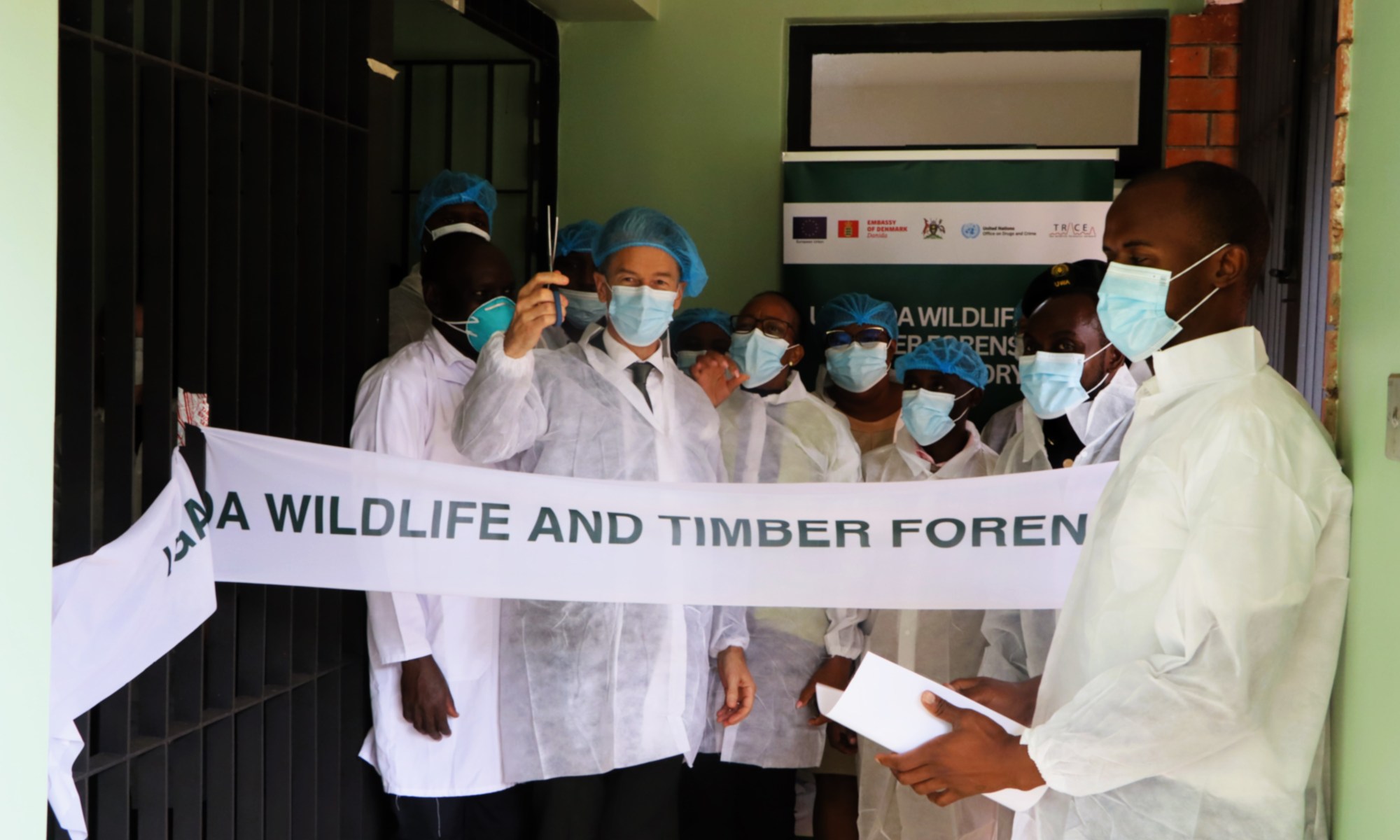
Uganda Wildlife Authority (UWA) is intensifying its fight against wildlife crime by launching a new Uganda Wildlife and Timber Forensics Laboratory at the Uganda Wildlife Education Center (UWEC) – Entebbe Zoo. This initiative marks a significant step in protecting Uganda’s forests.
The cutting-edge laboratory, funded by the European Union, Danida, TRACE – Wildlife Forensic Network, and the United Nations Office on Drugs and Crime, was officially inaugurated by the European Union Ambassador to Uganda, H.E. Jan Sadek. He emphasized that the opening is more than just unveiling a building; it signals that wildlife and forest crimes must be treated as serious, organized offenses that require thorough investigation, prosecution, and appropriate penalties.
Ambassador Sadek pointed out that for years, Uganda and the surrounding region lacked the forensic tools needed to identify wildlife and timber species, despite illegal logging being a major cross-border crime. Without scientific evidence, many cases fail in court, allowing criminal networks to continue operating.
Ambassador Sadek holding a dummy of a Hippopotamus tooth
This new laboratory fills that gap by offering advanced forensic services, including timber DNA analysis to precisely identify species and trace their origins. It also adheres to an international Quality Management System to ensure that evidence is reliable and admissible in court.
Mr. David Musingo, Commissioner Community Conservation and Ex Situ Wildlife Services, highlighted the laboratory’s impact on conservation, stating, “This facility enhances our ability to connect scientific research directly with law enforcement. It equips Uganda with the tools to investigate wildlife crimes more effectively and secure convictions that were previously difficult due to lack of credible evidence.”
The establishment of the Uganda Wildlife and Timber Forensics Laboratory represents a vital move toward strengthening the rule of law, preserving biodiversity, and protecting Uganda’s natural heritage for future generations.
This project is a result of strong collaboration between UWA, the Ministry of Water and Environment, and international partners. Besides infrastructure, it also focuses on training and capacity building to ensure long-term success.
Early outcomes are already visible, with cases that had previously stalled now advancing to court and leading to convictions. In the coming months, the laboratory will fully implement timber DNA analysis, further enhancing Uganda’s capacity to combat forest-related crimes.
The official opening was attended by key figures, including Dr. Alfred Okot, Permanent Secretary of the Ministry of Water and Environment, representatives from the Danish Embassy, UNODC, TRACE, the British High Commission, and members of the judiciary such as Her Worship Gladys Kamasanyu.
Uganda Wildlife Authority (UWA) officially launched the State of Wildlife Resources in Uganda Report 2026, a landmark national publication presenting the most comprehensive current assessment of Uganda’s wildlife (floral and fauna) populations, diversity and trends, habitat conditions, emerging threats and conservation responses across the country.
Unlike previous wildlife status assessments that largely concentrated on selected mammal populations, the 2026 report provides a broader national biodiversity account by consolidating data on flora, fungi, invertebrates, amphibians, reptiles, birds, bats and other mammals, thereby offering a fuller scientific picture of the health of Uganda’s natural heritage.
The publication, now available on https://ugandawildlife.org/publications/, shows that Uganda continues to register measurable progress in biodiversity conservation through species recovery, strengthened ecosystem protection, improved habitat interventions and modernization of wildlife monitoring systems.
Uganda remains one of Africa’s most biologically diverse countries, supporting over 18,000 recorded species of flora and fauna, including over 4,800 species of native plant species, more than 1,000 bird species, globally significant mountain gorillas, chimpanzees, elephants and giraffes, all of which are vital for ecosystem stability, water regulation, climate resilience and future agricultural adaptation.
The report particularly highlights the growing conservation significance of Uganda’s flora, documenting threatened indigenous cycads, crop wild relatives of coffee, finger millet, pearl millet, sorghum and eggplants, as well as several foods, medicinal, fuel, and construction plant species whose habitats are increasingly under pressure from land conversion, invasive species spread, agricultural expansion and climate-related changes.
These plant resources, some of which are strictly endemic to Uganda, are identified as critical national genetic assets for food security, ecological restoration and biodiversity resilience. On the animal population front, the latest surveys indicate continued positive recovery among several species under active conservation management.
Buffalo populations increased from 32,235 in 2021–2022 to 41,548 in 2023–2025, hippopotamus populations rose from 8,226 to 9,026, Uganda kob from 166,526 to 175,109, waterbucks from 16,638 to 22,623, zebras from 17,762 to 20,942, topis from 1,805 to 3,809, common elands from 3,510 to 3,619, while Nubian giraffes increased from 2,414 to 2,519 during the same period.
Uganda has also continued to register one of the continent’s most notable species recovery successes especially the Southern White Rhinoceros population, which increased from 43 to 61 rhinos under sustained breeding and protection management. Uganda’s international standing as a key great ape conservation destination remains reinforced, with mountain gorilla numbers remaining stable at 459, while chimpanzee estimates increased from 5,072 to 6,075 across major forest ecosystems.
The report shows that conservation gains are not uniform across all species. While several herbivore populations continue to recover, some flagship wildlife populations remain under pressure. Elephant populations in monitored Protected Areas declined from 6,621 in 2021–2022 to 6,352 in 2023–2025, while lion numbers reduced from 314 to 291.
This underscores the need for intensified habitat protection, prey base recovery, ecological corridor management and stronger human-wildlife conflict mitigation. The report warns that Uganda’s wildlife remains under significant and growing pressure. Expanding human settlements, agricultural encroachment, infrastructure development, extractive activities and continued fragmentation of wildlife habitats are steadily reducing ecological space for wildlife movement and regeneration.
The report also identifies invasive alien and problematic native plant species, climate variability, illegal wildlife use, unsustainable resource extraction and persistent human-wildlife conflict as major threats affecting both floral and fauna populations. These pressures continue to undermine ecosystem integrity and threaten the long term sustainability of conservation gains if not addressed through sustained investment and coordinated national action.
Launching the report, the Minister of Tourism, Wildlife and Antiquities, Hon. Col. Tom Butime, said the publication offers Uganda an evidence-based national account of the status of its wildlife and provides a strong foundation for conservation planning and sustainable development.
“This report demonstrates that conservation is not only about protecting wild animals. It is equally about safeguarding plant life, habitats, ecological services and the natural systems upon which tourism, climate resilience, water security and community livelihoods depend,” Hon. Butime said.
The Chairman of the UWA Board of Trustees, Prof. James Kalema, said the report provides critical scientific evidence needed to guide long-term institutional oversight, conservation investment and policy prioritization. “This report gives us a clear measure of where Uganda is registering returns on conservation investment and where institutional attention must now be intensified. It reinforces the need for sustained financing, stronger ecological monitoring and deliberate long-term protection of the habitats that sustain wildlife,” Prof. Kalema said.
Prof. James Kalema gives his speech during the launch of the report
UWA Executive Director, Dr. James Musinguzi, said the report demonstrates Uganda’s steady transition toward science-led and technology-assisted biodiversity management through aerial wildlife surveys, SMART ranger patrol systems, Earth Ranger collar monitoring, camera trapping, digital ecological databases and expanded ecosystem monitoring. “This publication presents a consolidated national account of where Uganda stands in wildlife conservation today. It shows measurable gains in species restoration, stronger monitoring systems, broader ecosystem understanding and clearer identification of the threats that must now be addressed,” Dr. Musinguzi said.
The Executive Director added that UWA will continue strengthening habitat restoration, invasive species management, wildlife disease surveillance, ecological research, plant conservation and strategic partnerships to secure Uganda’s wildlife for future generations. The State of Wildlife Resources in Uganda Report 2026 therefore presents a clear national call for sustained conservation action to secure Uganda’s flora, fauna and ecological systems for generations to come.
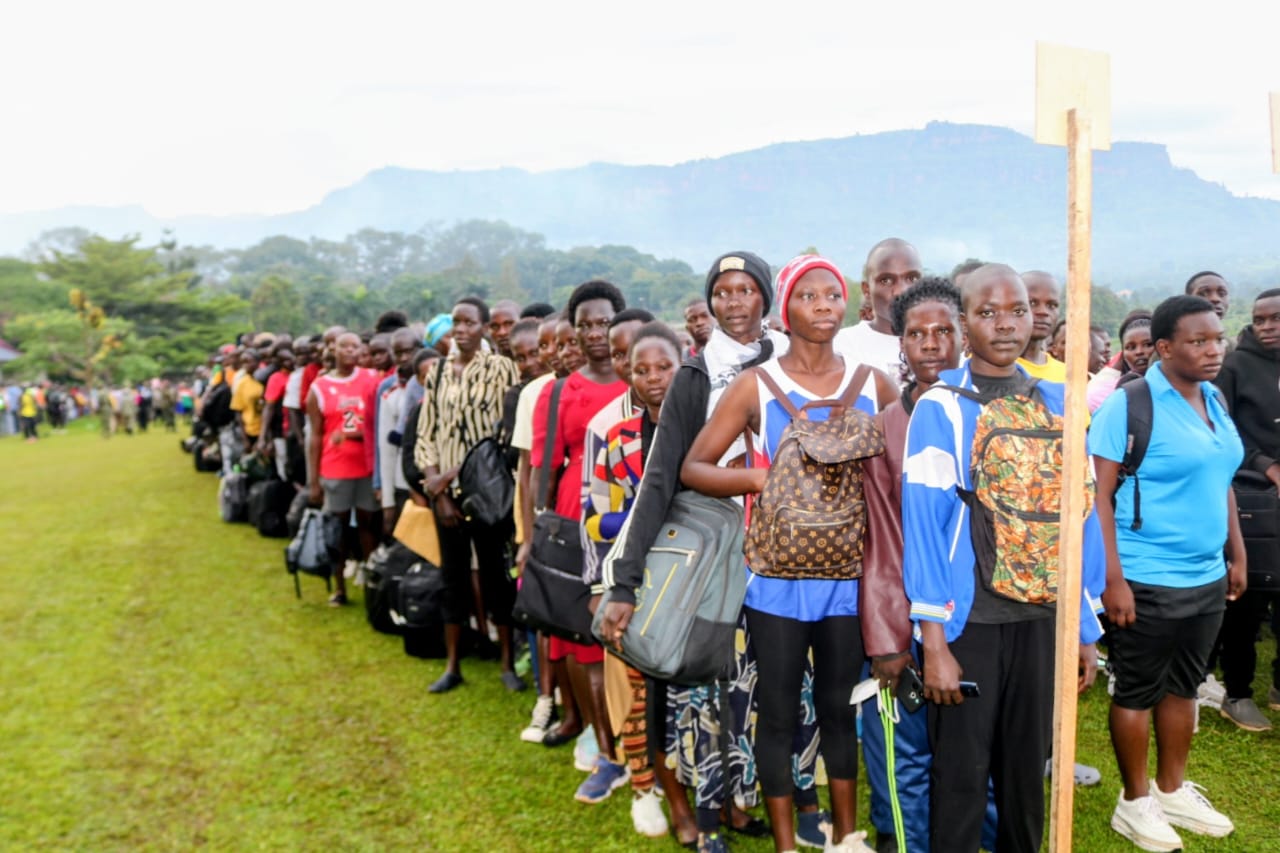
Uganda Wildlife Authority is conducting a recruitment exercise for rangers to strengthen the workforce in the country’s protected areas.
This exercise that commenced on April 20, 2026, across the country will see 1000 young men and women join the authority ranger force.
On going recruitment exercise at Murchison Falls Conservation Area
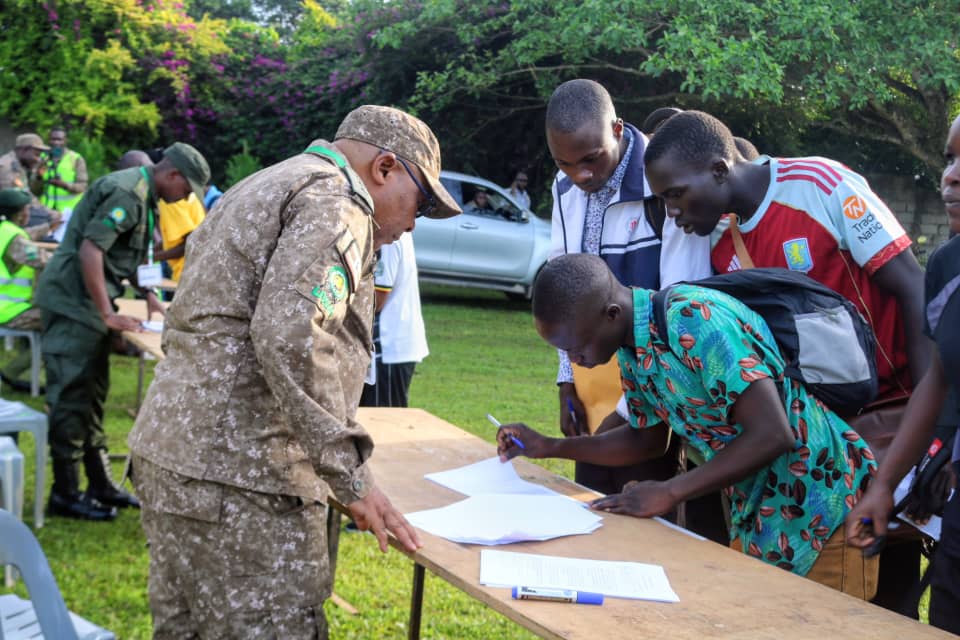
Thousands of shortlisted young candidates are continuing to show up with determination in large numbers to go through a multi-stage interview process. This includes a 5km run to assess physical fitness, verification of academic qualifications, medical examinations, and oral interviews to evaluate their understanding of basic conservation issues and communication skills.
Officers at Mt. Elgon Conservation Area verifying candidates academics papers and other official documents
UWA Board Chairperson Prof. James Kalema assures applicants that the process is transparent and based on merit. “This recruitment is being conducted fairly and openly; the Authority is committed to transparency and integrity. We strongly discourage any form of malpractice and urge all participants to avoid corruption, as it will not be tolerated,” he notes.
Candidates take on the 5km race at Bwindi Mgahinga Conservation Area
Uganda Wildlife Authority (UWA) has successfully relocated a stray male elephant weighing 3,496 kilograms that had been causing fear among residents of Bukatu Village, Mpanga Parish, Kahunge Sub-county in Kamwenge District for more than five months.
The elephant frequently wandered into the village searching for crops such as maize, watermelon, and pumpkins, posing a significant threat to the community. After receiving reports from residents, UWA stepped in to handle the situation.
Community members look on as UWA experts await to have the captured elephant loaded for relocation
The complex operation was led by senior veterinary doctor Victor Musiime and involved the authority’s experts. After three sleepless nights of coordinated effort, they managed to capture the elephant and relocated it to Kibale National Park – Mainaro area in Dura Sub-county, which is far from human settlements.
John Justice Tibesigwa, the Chief Warden of Kibale National Park, stressed that relocation alone is insufficient because elephants are intelligent and can find their way back.
UWA experts collaring the elephant
“It’s not just about relocating it because it’s clever and can return. That’s why we fitted it with a tracking collar to monitor its movements and prevent it from coming back to the community,” he explained.
He praised the team for their hard work and dedication and thanked the community leaders and residents for their cooperation throughout the operation.
Selestini Ngabirano, the Bukatu chairman, commended UWA for their intervention, noting that the elephant had caused fear among community members, leading many to avoid going out at night.
While Kibale National Park is well-known as a haven for primates, it also hosts a considerable number of forest elephants, estimated at around 566 in 2019. These forest elephants are smaller than savanna elephants and can be seen during guided walks, especially in the southern part of the park.
In a significant move to protect Uganda’s wildlife, Uganda Wildlife Authority (UWA) has successfully apprehended a 36-year-old man, Okech Philip Jonathan, who was found in possession of 14.5 kilograms of pangolin scales.
This operation was conducted in collaboration with the Uganda People’s Defense Forces (UPDF), today 22nd March, at the UPDF checkpoint in Karuma, Kiryandongo district, around 10:30 a.m, while the suspect was traveling by motorcycle taxi (bodaboda) to Karuma Centre to sell the scales.
Okech was carrying the scales inside a yellow sack placed in a bag. When questioned about his destination, he explained that he had traveled from Kampala via the Gateway bus to Lamdin, intending to conduct the transaction there. However, he was informed that the buyer was resting in a guest room in Karuma, which prompted him to take the items there instead.
The suspect is to be handed over to Kiryandongo Central Police Station to face charges of illegal possession of protected wildlife species and engaging in wildlife trade without a permit, as stipulated under section 70(1)(b) of the Uganda Wildlife Act 315.
Uganda Wildlife Authority has once again successfully passed the internal accreditation for the ISO/IEC 17025:2017 assessment, an annual evaluation that examines quality management systems, technical expertise, and excellence in laboratory service delivery.
This assessment was carried out by the South African National Accreditation System at the Uganda Wildlife Authority Diagnostic and Research Laboratory (UWADRL), located in Queen Elizabeth National Park, Kasese.
The evaluators praised UWA for the technical skills of its staff in accurately conducting various laboratory tests, maintaining a laboratory setup that complies with all safety standards for safe diagnostic procedures, managing professional equipment records including inventory, calibration schedules, calibration certificates, and service reports, as well as demonstrating strong support from top management in upholding laboratory service standards.
This outstanding accomplishment clearly shows that Uganda Wildlife Authority is dedicated to upholding quality laboratory systems, technical proficiency, and excellence in laboratory professionalism.
Charmaine Morube head of the assessors team commented , “Maintaining accreditation under such a stringent international standard highlights the professionalism, commitment, and teamwork exhibited by the staff.”
Ongoing adherence to ISO/IEC 17025:2017 not only boosts confidence in tests results but also strengthens UWADRL’s vital role in advancing wildlife health, research, and One Health initiatives both within the country and internationally
As we observe this year’s International Day of Forests with the theme “Forests and Economies,” the forest restoration program at Kibale National Park is making a significant impact by transforming lives and boosting Uganda’s economy through its carbon absorption efforts.
Kibale National Park, known as the “Primate Capital of the World,” spans about 71.5 square kilometers of restored forest. This forest not only helps combat global warming but also plays a crucial role in improving the livelihoods of people living near the park.
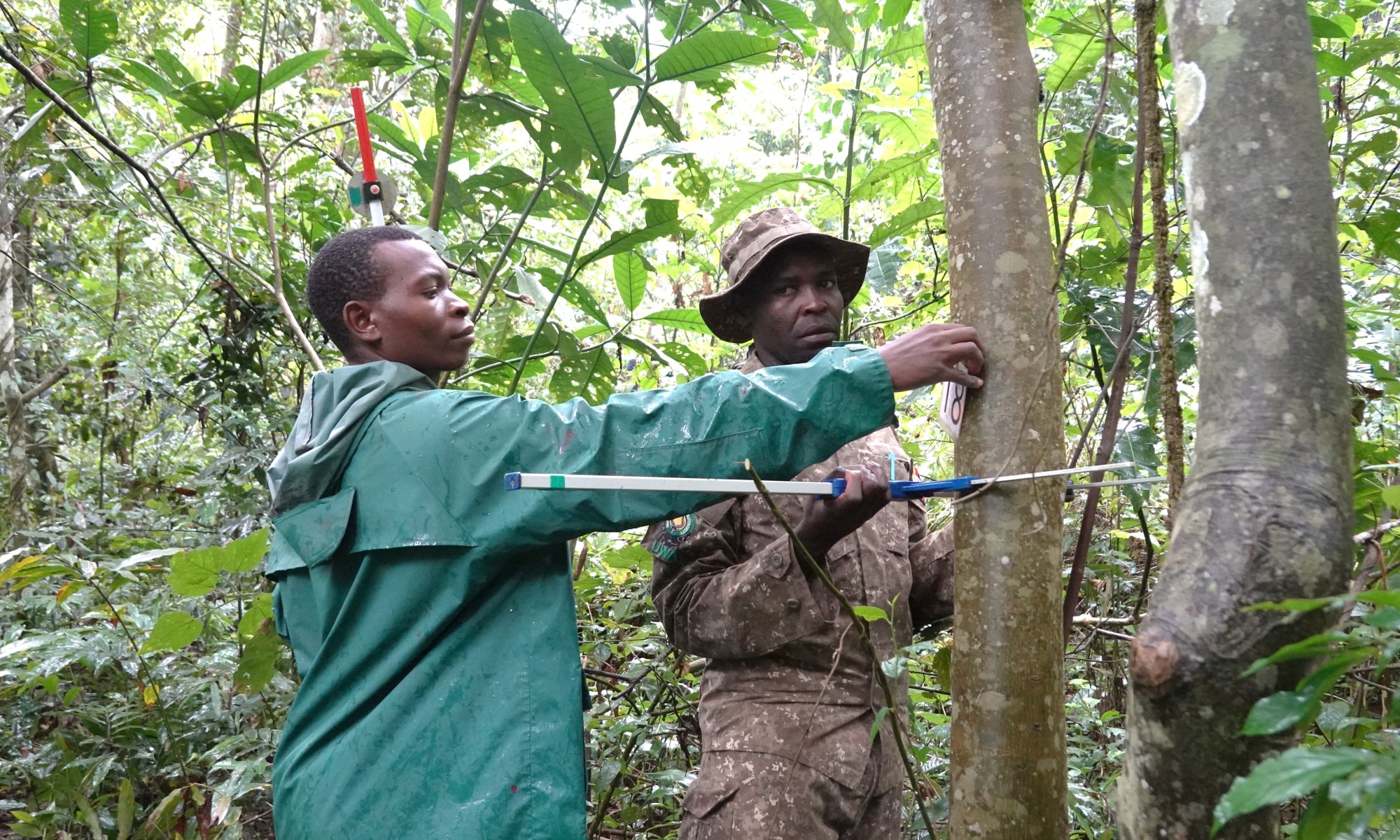
Planted in the last 30 years, the forest now absorbs 1.5 million tons of carbon, benefiting local communities involved in its restoration. Senior Warden Forest Restoration, Richard Kigenyi, expresses confidence that the ongoing carbon data collection will yield positive results, noting an average increase of over 200,000 tons every three years.
Kibale Chief Warden John Justice Tibesigwa (Right) and Senior Warden Richard Kigenyi (Centre), during the carbon data collection exercise
John Justine Tibesigwa, the Chief Warden of Kibale Conservation Area, states: “The forest restoration project in Kibale is one of the best in Africa, delivering enormous benefits to the neighboring communities and ultimately enhancing the conservation of the park.”
Supported by the forest restoration project led by the Uganda Wildlife Authority (UWA) and partners such as Face-the-Future, Prima Klima, and local communities, the carbon absorption initiative generates revenue from carbon credit sales that positively impacts lives.
This income supports community projects like beekeeping, pig farming, and goat rearing, enabling residents to develop sustainable livelihoods without harming the forest. More than 200 community members are employed seasonally in activities such as tree planting, seed collection, nursery management, and caring for native seedlings, while over 140 have permanent jobs.
The Kibale Carbon data collection team
The project has also provided 5,000-liter water tanks to improve access to clean water for households, reducing the need for risky trips into the park to collect water from natural sources. Additionally, a five-kilometer trench was built to prevent elephants from damaging crops on nearby farms, helping to reduce conflicts between the community and the park.
Understanding Carbon Markets and Credits:
A carbon market is a non-physical marketplace where carbon credits are bought and sold. These markets come in two types: compliance markets, which are government-mandated trading systems, and voluntary carbon markets (VCMs), where companies and individuals can purchase carbon credits to offset their emissions voluntarily.
Carbon credits are tradable permits or certificates that represent the right to emit one metric ton of carbon dioxide (CO₂) or an equivalent amount of other greenhouse gases (GHGs). They are essential tools for reducing emissions and can be generated through projects that avoid emissions, such as renewable energy and forest conservation, or through removal projects like reforestation and carbon capture and storage.